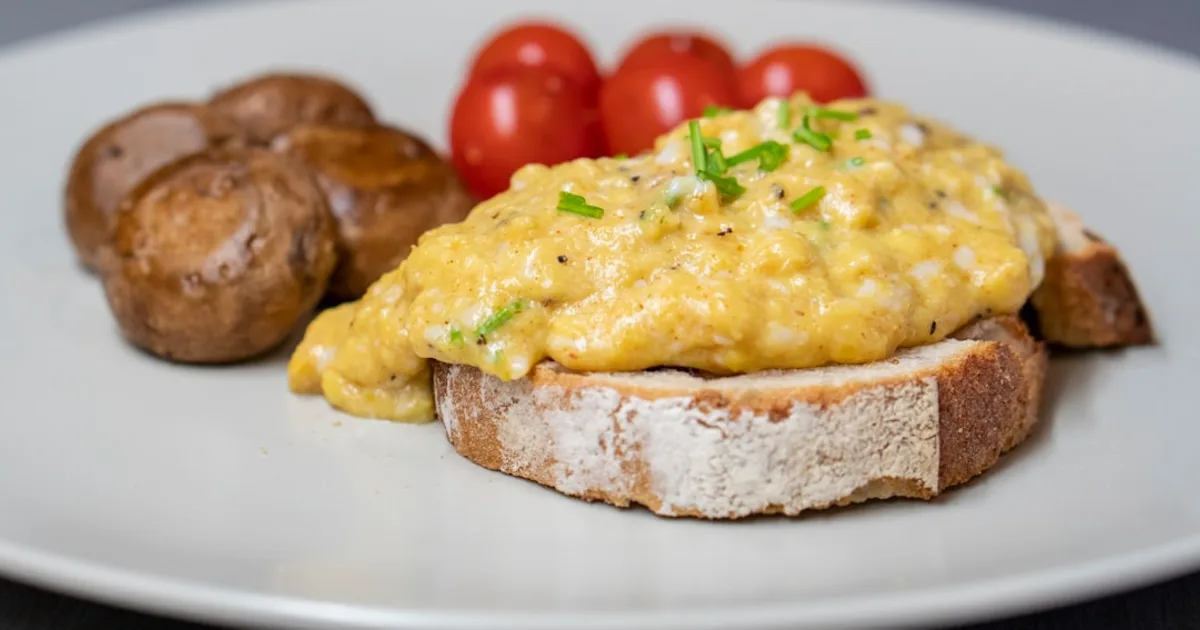
Scrambled eggs are one of those dishes that almost everyone makes slightly wrong for years before they figure out what they've been doing. Not badly wrong — the eggs are edible, they're fine — but not right either. Rubbery, watery, or dry in a way that's hard to put your finger on. On busy mornings, protecting ten unhurried minutes often starts with a morning routine that builds in a little buffer before the day accelerates.
The fix is almost always the same thing: too much heat, too fast. Scrambled eggs don't need high heat. They need time, patience, and the willingness to pull the pan off the burner before you think they're ready.
The heat argument — and why it matters more than anything else
There are two schools of scrambled eggs. The fast, high-heat method produces larger, fluffier curds with a bit of colour — more like diner-style eggs. The slow, low-heat method produces small, creamy, almost custard-like curds that are genuinely extraordinary when done right.
Both are legitimate. But the slow method is what separates good scrambled eggs from great ones, and it's what most people have never actually tried.
Fast scrambled eggs take about 90 seconds. Slow scrambled eggs take 8–12 minutes. The difference in the result is enormous.
This guide covers the slow method primarily, with notes on how to adapt for fast when that's what the morning calls for.
What you actually need
Three eggs per person is the right amount for a proper portion — not two, not four. Three. The ratio matters because scrambled eggs reduce as moisture evaporates during cooking, and two eggs leaves you with a disappointingly small amount of food.
Butter, not oil. Butter does two things oil can't: it contributes flavour and it foams gently as it heats, which tells you the pan temperature is right. Use more than you think is reasonable — at least a tablespoon per three eggs. This isn't the place for restraint.
Salt goes in before cooking, not after. Salting eggs before cooking draws out a small amount of moisture and begins to break down the proteins slightly, which contributes to a creamier texture. Add it when you crack the eggs, not at the end.
Whether to add dairy is a genuine debate. A small splash of whole milk or a teaspoon of crème fraîche adds richness and extends the creamy window slightly — there's a bit more moisture to cook off, which gives you more time to get the texture right. It's not essential, and purists argue the eggs should speak for themselves. Try it both ways and decide.
What you don't need: water (makes eggs watery and dilutes flavour), cream cheese stirred in at the end (a popular hack that works but masks the egg), or excessive whisking that incorporates too much air.
The slow method, step by step
Crack three eggs into a bowl. Add a generous pinch of flaky salt, a small splash of whole milk if you're using it. Beat with a fork — not a whisk, not aggressively — until the yolks and whites are just combined. You don't want a uniform yellow liquid; a slight streakiness is fine. Stop when it looks mixed, not before and not after.
Put a small saucepan — not a frying pan — over the lowest heat your stove will produce. Add the butter and let it melt slowly. It should melt without foaming or sizzling. If it sizzles, the heat is too high.
Pour in the eggs. Now leave them for about 30 seconds without touching them. Then begin stirring slowly with a rubber spatula, moving the curds from the outside of the pan toward the centre. The key motion is a slow, folding stir — not scrambling, not stirring constantly.
Every 20–30 seconds, take the pan completely off the heat for about 10 seconds while continuing to stir. This is the technique that most people don't know about and it makes a significant difference. The residual heat in the pan continues cooking the eggs; removing it briefly gives you control and prevents the pan from getting too hot.
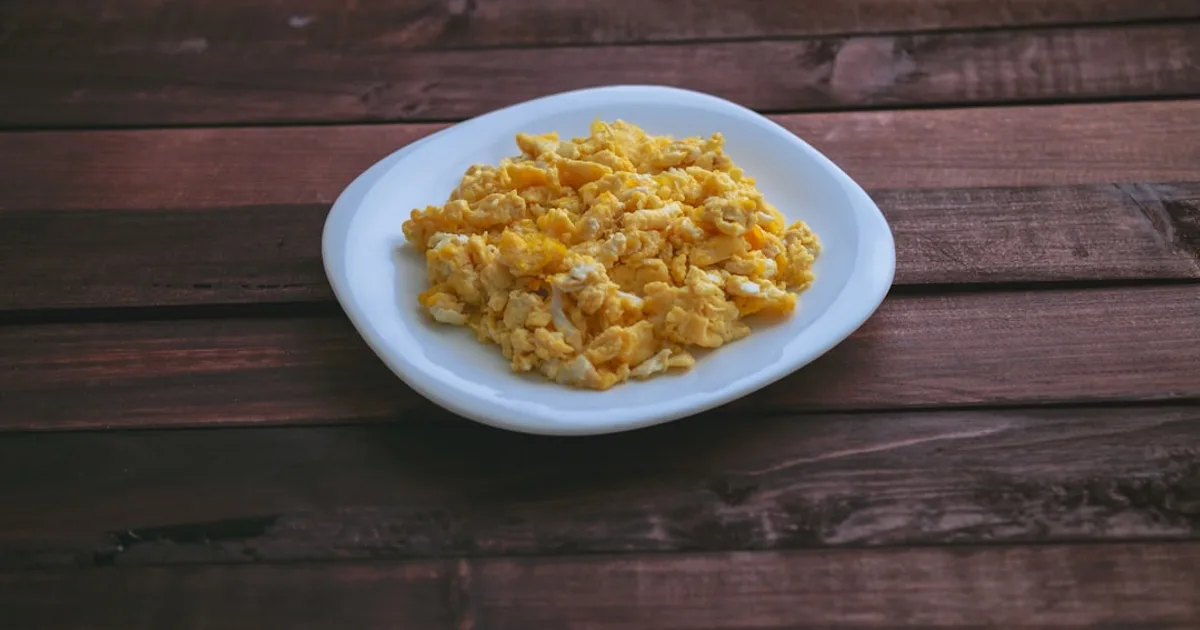
Continue this on-off process for 8–10 minutes. The eggs will look underdone for most of this time. They'll look wet and loose and like they're not going anywhere. This is correct. Trust the process.
Pull them off the heat when they look about 80% done — still slightly wet, moving slowly in the pan, not fully set. They will continue cooking from residual heat for another 30–60 seconds after you stop. If you wait until they look done in the pan, they'll be overdone on the plate.
Season with a little more salt and some black pepper at the end. Eat immediately — scrambled eggs do not hold or reheat well. This is not a dish that waits.
The fast method when you're actually in a hurry
Heat a frying pan over medium-high. Add butter, let it foam and begin to subside. Pour in beaten eggs. Leave for 10 seconds until the edges just begin to set. Then fold and push with a spatula, working quickly, moving the set egg from the outside toward the centre. Remove from heat while still slightly underdone. Total time: 90 seconds to 2 minutes.
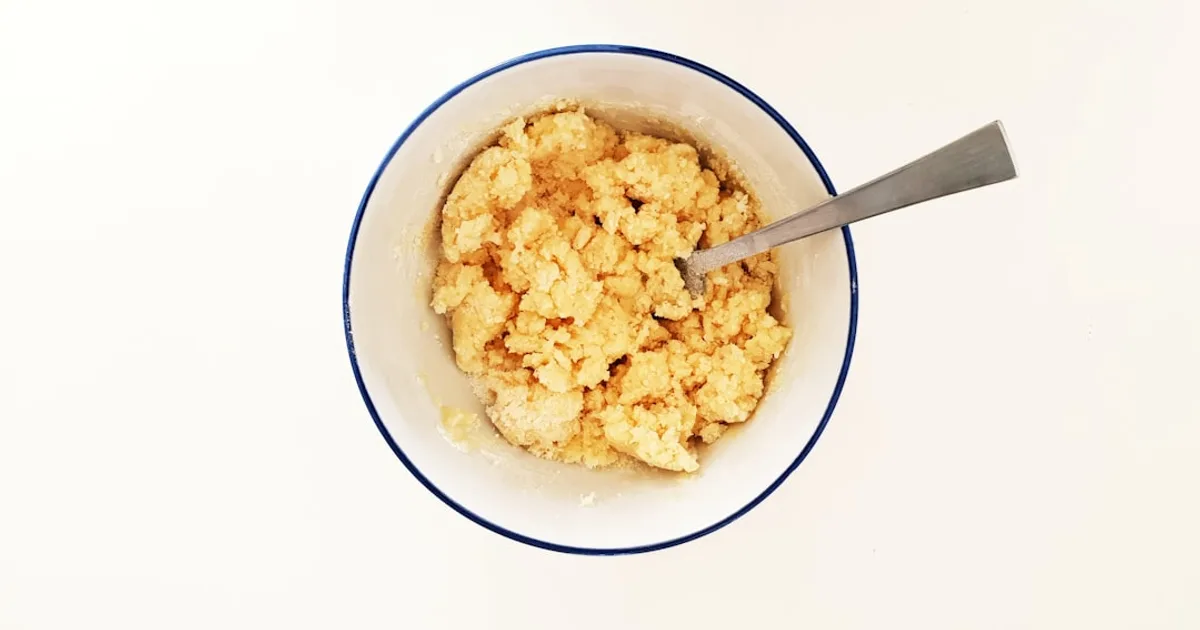
Fast eggs are fine. They're not the same as slow eggs — the texture is different, less creamy, more structured — but they're genuinely good if you get them off the heat in time. The most common mistake with fast eggs is the same as with slow: leaving them on too long.
The variables that change everything
Pan material: Non-stick makes scrambled eggs easier and more forgiving. Stainless steel can work but requires more butter and more attention. Cast iron holds too much heat for the slow method — it's hard to control the temperature precisely enough.
Egg temperature: Cold eggs straight from the fridge take longer to cook than room-temperature eggs. Not significantly, but it's worth knowing. If you're making the slow version, taking eggs out 20 minutes before you cook them gives you slightly more control.
Freshness: Fresh eggs have firmer whites and more flavourful yolks. The difference between a very fresh egg and an old egg is noticeable in scrambled form because there's nowhere to hide it. Buy the best eggs you can access — free-range at minimum, good quality farm eggs if available — and if you're watching the grocery bill, our guide to buying groceries cheaper covers how to prioritise quality on the items that matter most.
Additions and timing: If you're adding anything — cheese, herbs, smoked salmon — timing matters. Cheese goes in at the very end, off the heat, and the residual warmth melts it. Fresh herbs go on after plating, not during cooking. Smoked salmon and other delicate additions get folded in at the last moment so they warm through without cooking.
Why they're watery — and how to fix it
Watery scrambled eggs have two causes: not cooking off enough moisture, or salting too late (which draws water out after cooking rather than before, when it can evaporate).
If your eggs are consistently watery, try cooking them slightly longer, making sure you salt before cooking rather than after, and avoid adding too much liquid — if you're using milk, a teaspoon is enough for three eggs.
Serving: what actually goes with them
Good scrambled eggs don't need much. Homemade bread, buttered. A few slices of smoked salmon. Some chives. Avocado if you like it. Or serve them alongside rice fritters for a breakfast that clears out two leftovers at once.
What they don't need is being covered in sauce, buried under too many toppings, or served lukewarm because you were distracted by something else while they were finishing. Scrambled eggs reward attention. Give them 10 minutes of your actual focus and they will be the best version of themselves — the same unhurried mindset that makes slow soup worth making on a quiet evening. That's the whole deal.


