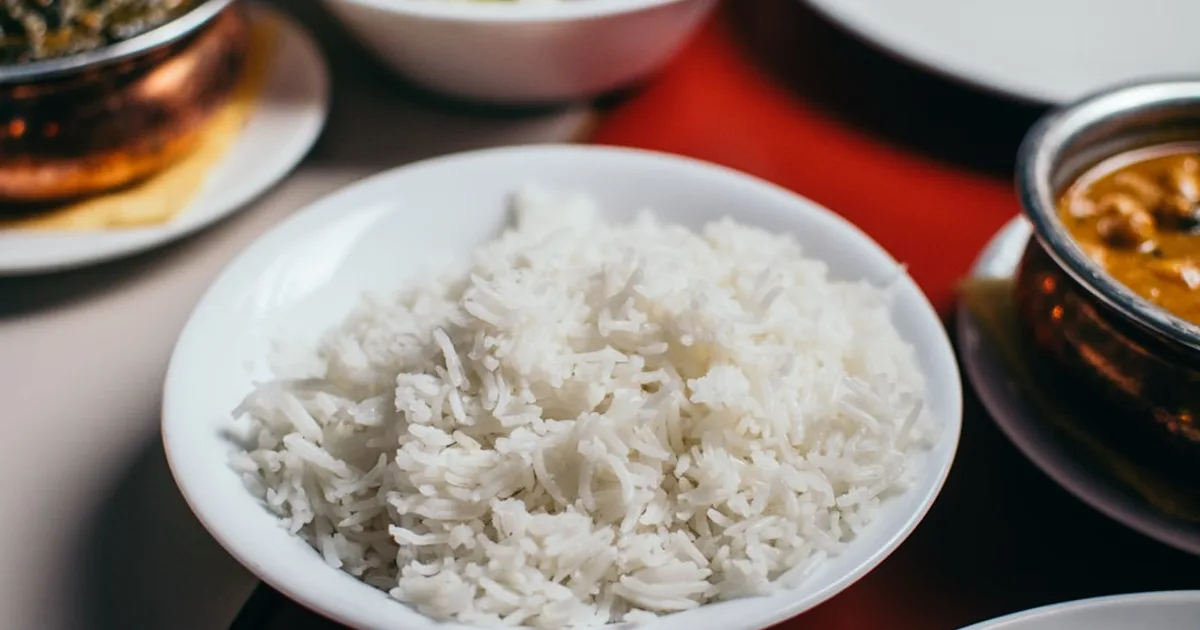
Cold rice sitting in the fridge is either a problem or an opportunity depending on how you look at it. Most people reheat it in the microwave, eat it as a slightly sad side dish, and call it done. That works. But leftover rice is actually one of the most versatile things you can have on hand — more useful in many ways than fresh rice, because the drying-out that happens overnight in the fridge is exactly what certain dishes need.
The rule about not reheating rice more than once is worth taking seriously. Rice can harbor bacteria that survive cooking and multiply at room temperature. Store leftover rice in the fridge within an hour of cooking, use it within 24 hours, and make sure it's piping hot all the way through when you reheat it. Do that and it's completely safe.
1. Fried rice — but done properly
Fried rice made with fresh rice is a disappointment. The grains are too moist, they clump together, and the result is more steamed than fried. Day-old rice from the fridge, by contrast, is dry enough to separate in the pan and develop the slight crispness that makes proper fried rice worth eating.
The method is straightforward but the heat matters. The pan — ideally a wok, but a large frying pan works — needs to be genuinely hot before anything goes in. Not medium-high. Hot. The kind of hot where a drop of water evaporates on contact.
Add a neutral oil, then the cold rice. Press it flat against the pan and leave it without stirring for 60–90 seconds. You want some grains to get a little colour on them. Then stir-fry, pushing the rice around for another minute. Push the rice to one side, crack two eggs into the empty space, scramble them briefly, then fold them through the rice before they fully set.
From here, add whatever you have: frozen peas, sliced spring onions, diced carrots, leftover cooked chicken or prawns. Season with soy sauce, a splash of sesame oil, white pepper. Total time from cold rice to plate: under 10 minutes.
The addition that makes it genuinely restaurant-quality: a small knob of butter stirred through right at the end. It adds richness and helps the grains separate. Nobody will know it's there but everyone will notice the result is better than usual.
2. Rice fritters
This is the one people haven't tried and should. Leftover rice mixed with egg, a little flour, and seasoning, formed into patties and pan-fried until crispy — the result is somewhere between a potato cake and an arancini, and it takes about 15 minutes.
The basic ratio: 200g cold cooked rice, one egg (the same ingredient at the heart of perfect scrambled eggs), 2 tablespoons plain flour, salt, pepper, and whatever flavourings you want. Cheese works well — a handful of grated parmesan or cheddar stirred through. Herbs, spring onions, chilli flakes, smoked paprika — all good. Mix until it just holds together when pressed. If it's too wet, add a little more flour.
Form into patties about 1.5cm thick. Fry in a generous amount of oil over medium heat for 3–4 minutes per side until deeply golden and crispy. Don't press them down or move them around — let the crust form undisturbed.
Serve with sour cream, a fried egg on top, or just with a simple green salad. They work as a side dish, a light lunch, or a breakfast that uses up two leftovers at once if you add any remaining vegetables from the night before.
3. Rice soup
This is the dish for when you're tired, slightly under the weather, or just want something that requires minimal effort and delivers actual comfort.
Bring chicken or vegetable stock to a simmer — homemade if you have it, good quality carton stock if you don't. Add the cold rice directly to the simmering stock. It will absorb liquid and soften within a few minutes, thickening the broth slightly. Add whatever vegetables are in the fridge — spinach wilts in 30 seconds, frozen peas need two minutes, sliced mushrooms need three or four.
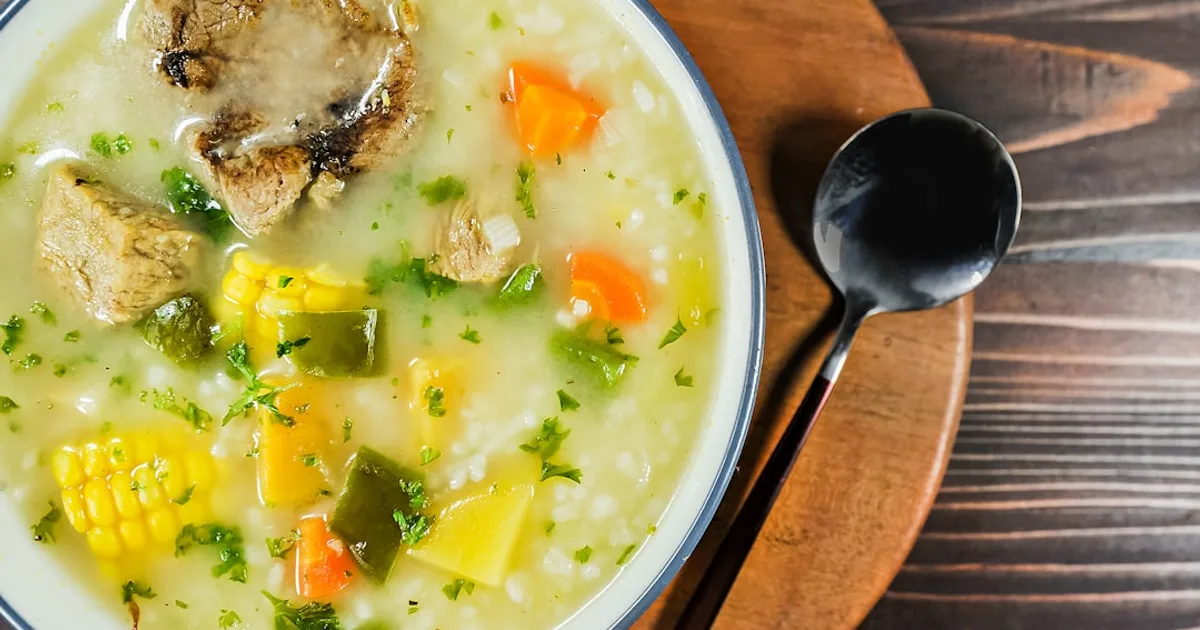
Season with salt, white pepper, a splash of soy sauce or fish sauce if you have it. Finish with a soft-boiled egg halved over the top, some sliced spring onions, a drizzle of sesame oil.
This is essentially congee's faster, less traditional cousin — and if you want to build the broth from scratch rather than carton stock, the framework in our guide to making soup without a recipe applies here too. It doesn't have the deeply porridge-like consistency of proper congee — the rice stays more distinct — but it's warming, filling, and comes together in under 10 minutes from ingredients most people have in the house.
4. Stuffed peppers or tomatoes
Leftover rice makes a natural stuffing base that stretches a small amount of protein across more servings than it would otherwise cover.
Halve bell peppers lengthways and remove the seeds. Mix cold rice with whatever filling you're building: browned mince, tinned tuna, leftover roasted vegetables, black beans, cheese. Season well — the rice absorbs flavour so don't be shy with salt, herbs, and spice. A spoonful of tomato paste stirred through adds depth.
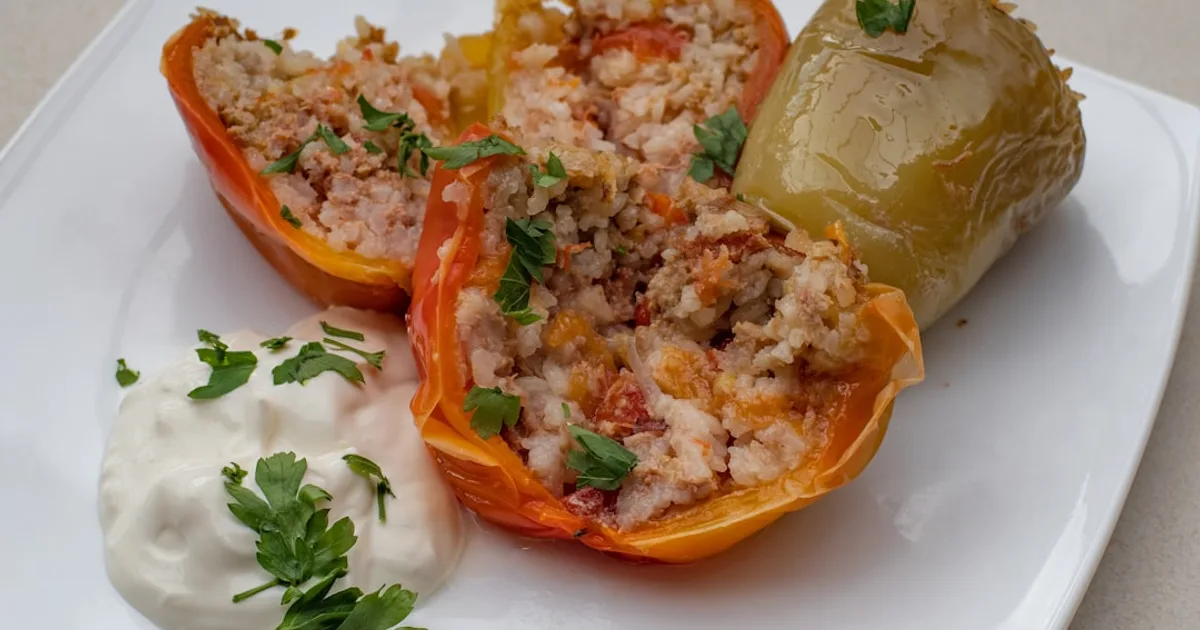
Fill the pepper halves, place in a roasting dish with a splash of water in the base to prevent sticking, cover with foil and roast at 190°C for 25 minutes. Remove the foil, add a little grated cheese on top if you want it, and return to the oven for another 10 minutes until the peppers are tender and the top has some colour.
The same method works with large tomatoes — cut the tops off, scoop out the seeds, fill, and roast. They take slightly less time and look more impressive on the table than they have any right to given the effort involved.
5. Rice pudding
This is the one that surprises people. You can make a decent rice pudding from leftover cooked rice in a fraction of the time a traditional rice pudding takes, because the hard part — cooking the rice — is already done.
Put the cold rice in a small saucepan with enough whole milk to cover it generously. Add a tablespoon of sugar, a pinch of salt, and your flavourings — vanilla extract is the classic, but cardamom is better if you have it, and a strip of lemon zest is underrated. Simmer over low heat, stirring occasionally, for 10–15 minutes until the mixture thickens and the rice has absorbed most of the milk into a creamy, porridge-like consistency.
Adjust sweetness to taste. Add a splash more milk if it gets too thick. Serve warm with a spoonful of jam, some stewed fruit, or just a dusting of cinnamon.
It won't be identical to a proper slow-baked rice pudding — the texture is slightly different, a little less unified — but it's genuinely good, takes 15 minutes, and uses something that was otherwise going to be thrown away. That's a reasonable trade.
The bigger point about leftover rice
Cold rice in the fridge is an asset if you treat it like one. The key shift is thinking about it as an ingredient rather than a leftover — something with specific properties (dry, separated grains, already cooked) that make it useful for things fresh rice isn't.
Keep a container of cooked rice in the fridge a few times a week and you'll find yourself reaching for it more than you expect — especially alongside other 15-minute pasta sauces when you need dinner fast. The fried rice alone is worth building the habit for.


