Aphids are the pest that gardeners consistently underestimate until it's too late. One day there are a few small green insects on the underside of a leaf. Three days later the growing tips are covered, the leaves are curling, and the plant looks genuinely distressed. Aphids reproduce without mating and can double their population every few days under warm conditions. A small infestation ignored for a week can become a serious problem.
The good news is that aphids on cucumbers are controllable — usually without chemicals, often in a single treatment if you catch them early. The key is understanding what you're dealing with and acting before the population gets ahead of you.
How to identify aphids on cucumbers
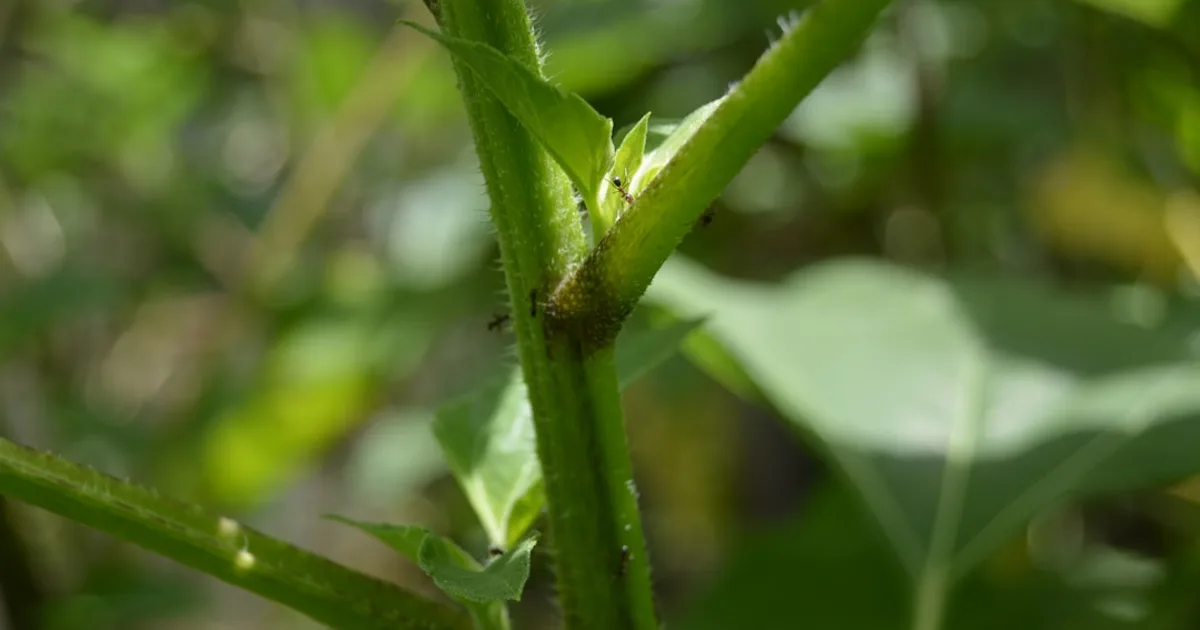
Cucumber aphids are usually pale green to yellow-green, though they can also appear dark green or almost black depending on the species. They're small — 1–3mm — and soft-bodied. The most reliable place to find them is on the underside of leaves, particularly young leaves near the growing tips, and on stems. They cluster rather than spread out individually, which is one of the ways to distinguish them from other small insects.
The signs of aphid damage are distinct once you know what to look for. Leaves that are curling downward or inward — not upward, which usually indicates a watering issue — are a strong indicator. Yellowing or mottled patches on otherwise healthy leaves. A sticky residue on leaves and stems called honeydew, which aphids excrete as they feed. Where there's honeydew, there's often a secondary problem: sooty mould, a black fungal growth that develops on the honeydew and further interferes with photosynthesis.
You might also notice ants moving purposefully up and down your cucumber plants. Ants farm aphids — they protect them from predators and move them to new feeding sites in exchange for the honeydew they produce. If you see ants patrolling your plants with unusual regularity, check for aphids.
Why cucumbers are particularly vulnerable
Cucumbers grow fast, which means they produce a constant supply of the soft new growth that aphids prefer. The broad leaves create sheltered microclimates on their undersides — warm, protected from rain, and out of sight — that aphids exploit. Cucumbers grown in greenhouses or polytunnels face higher aphid pressure than outdoor crops because the protected environment also protects the aphids from natural predators and weather events that would otherwise knock back the population.
Stressed plants are more susceptible. Cucumbers that are underwatered, overwatered, over-fertilised with nitrogen (which produces soft, sappy growth aphids love), or growing in poor light attract more aphid pressure than healthy, well-grown plants. Getting the basics right — consistent moisture, appropriate feeding, good air circulation — makes a real difference to how much aphid trouble you have, whether you're growing cucumbers or tending roses with lavender companions.
Removal methods that actually work
Water
The simplest intervention and often enough for a light infestation: a strong jet of water directed at the undersides of leaves knocks aphids off the plant. Most won't find their way back. Use the jet setting on a hose or a spray bottle set to stream rather than mist.
Do this in the morning so the plant dries before evening — wet foliage overnight encourages fungal disease, and the same timing logic applies when you set up vacation watering for thirsty summer crops. Repeat daily for three to four days to catch any that were missed and any newly hatched nymphs.
This works well for outdoor cucumbers. For greenhouse plants where you're trying to avoid wetting the leaves excessively, a damp cloth wiped along stems and leaf undersides achieves a similar result.
Hands
For a manageable infestation, simply wiping or squashing aphid clusters with your fingers is effective and immediate. Wear gloves if you prefer. Focus on growing tips and leaf undersides. It's not glamorous but it works.
Insecticidal soap spray
A spray made from diluted liquid soap kills aphids on contact by disrupting their cell membranes. You can buy ready-made insecticidal soap, or make your own: a few drops of pure liquid castile soap (not washing-up liquid with added degreaser or fragrance) in a litre of water.
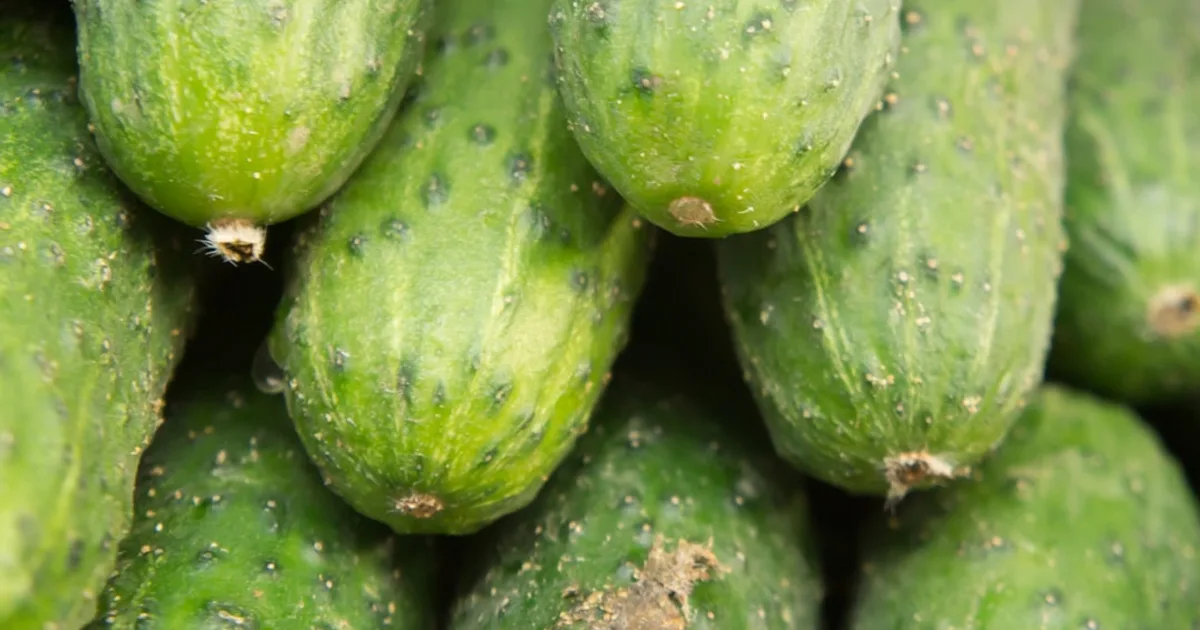
Spray directly onto aphid clusters, making sure to hit the underside of leaves where they concentrate. The soap needs to make contact with the aphids to work — it doesn't have residual activity once dry. Repeat every three to four days.
Test on a small area first. Some plants are sensitive to soap sprays and can develop leaf scorch, particularly in hot, sunny conditions. Apply in the morning or evening rather than in direct sun.
Neem oil
Neem oil is pressed from the seeds of the neem tree and works as both a contact insecticide and a deterrent — aphids feeding on treated plants absorb compounds that disrupt their feeding and reproduction. It's effective against a wide range of soft-bodied insects and has low toxicity to beneficial insects when applied correctly.
Mix neem oil with water and a small amount of liquid soap as an emulsifier (neem oil doesn't dissolve in water without help). A standard dilution is about 2 tablespoons of neem oil and a teaspoon of liquid soap per litre of water. Shake well and spray thoroughly, including leaf undersides. Reapply every seven days and after rain.
Neem oil has a strong smell that dissipates as it dries. Some people find it unpleasant to apply. It can also leave an oily residue on fruit if sprayed directly — focus on leaves and stems and avoid spraying developing cucumbers directly.
Encouraging natural predators
Aphids have significant natural enemies. Ladybirds and their larvae eat large numbers of aphids — a single ladybird larva can consume 400 aphids before it pupates. Lacewing larvae are similarly voracious. Parasitic wasps lay eggs inside aphids, which then die as the wasp larva develops.
The challenge is that these predators take time to arrive in sufficient numbers to control an established infestation. Where they're most useful is as an ongoing population check once you've knocked the aphids back manually. A garden with diverse planting, some flowering plants to support beneficial insects, and reduced pesticide use will have a resident predator population that keeps aphids in check as part of the natural balance — the same pollinator-friendly approach that makes companion planting near roses worthwhile.
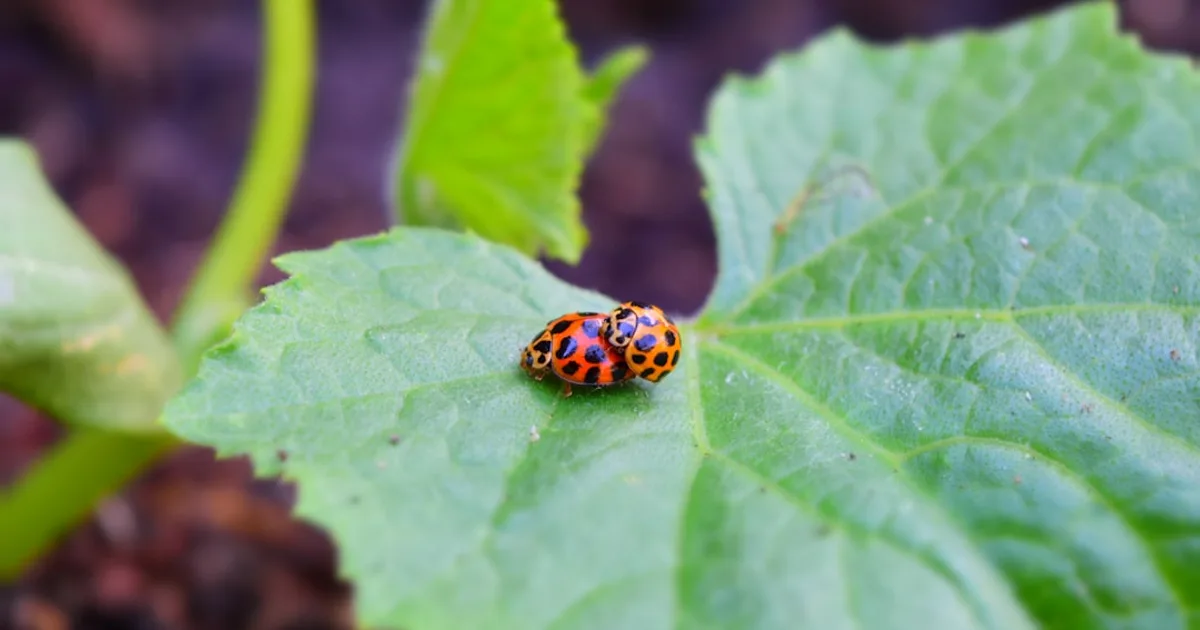
In a greenhouse, you can introduce commercially available predators — ladybirds, lacewings, or the parasitic wasp Aphidius colemani — directly. This is a legitimate and effective approach for persistent greenhouse aphid problems and is how many commercial cucumber growers manage the pest without chemicals.
Dealing with ants
If ants are protecting your aphids, you need to address both. A band of sticky barrier paste — available at garden centres — applied around the base of a container or to a stake in the ground interrupts the ants' access to the plant and leaves the aphid population without its protectors. Natural predators move in more quickly when ants aren't there to drive them away.
For plants growing in the ground, a physical barrier of a sticky band around a cane supporting the plant achieves the same thing.
After the infestation: preventing recurrence
Once you've cleared aphids, a few habits keep them from re-establishing quickly.
Check plants twice a week during the growing season, not once. The undersides of young leaves, growing tips, and stems are where infestations start. Catching ten aphids is a five-second job. Catching ten thousand takes considerably more effort.
Avoid high-nitrogen fertilisers that produce soft, sappy growth. Cucumbers need balanced feeding — too much nitrogen produces exactly the kind of tissue aphids prefer. Healthy soil built with home compost supports steadier growth than heavy synthetic fertilisers.
Remove heavily infested leaves rather than treating them repeatedly. A leaf that's already curled and distorted from aphid feeding is contributing little to the plant's photosynthesis and is a reservoir for reinfestation.
Keep the area around your plants clear of weeds, which can harbour aphids and other pests that move onto cultivated plants. Dock, nettles, and fat hen are common aphid hosts.
Aphids are a fact of gardening rather than a problem you eliminate permanently. The goal is keeping the population below the threshold where they cause serious damage — and with regular monitoring and a few simple interventions, that's entirely achievable, whether you're protecting cucumbers or the tomatoes growing beside them.