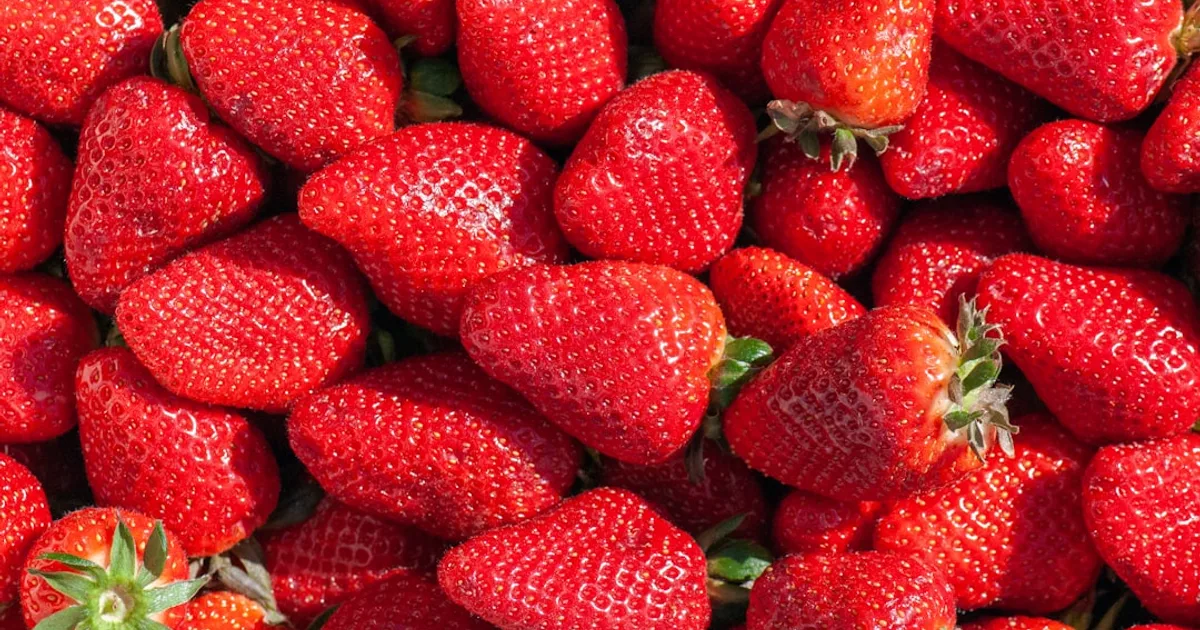
Supermarket strawberries are bred for shelf life and appearance. Home garden strawberries are bred — or should be chosen — for flavour. That difference in purpose produces dramatically different fruit, and it's the main reason growing your own is worth the effort even if you only have a few containers on a cozy balcony — especially when a pint of shop-bought berries costs what a single plant produces over a season, one of the small wins that help you save money every month.
The problem is choice paralysis. Garden centres stock dozens of varieties with names that tell you nothing useful. Nursery catalogues describe everything as "exceptional flavour" and "heavy cropping." Almost none of it helps you decide.
What follows is a practical breakdown of the varieties most worth growing at home, organised by what they're actually good at.
First, understand the three types
Strawberries divide into three categories based on when and how they fruit, and choosing the right type matters as much as choosing the right variety.
June-bearers (also called summer-fruiting) produce one large crop over three to four weeks, typically June to July in the UK and northern US. The yield per plant is high and the fruit tends to be large. The downside: you get a glut, then nothing until next year. Good if you want to make jam or freeze a large quantity at once.
Everbearers produce two crops — one in early summer, one in late summer or early autumn. Yield per flush is lower than a June-bearer, but the spread means you're picking fresh strawberries from June through September. Better for eating fresh over an extended season.
Day-neutral varieties fruit continuously from early summer until frost, producing smaller crops but almost without interruption. They're less affected by day length than the other types, which makes them reliable in variable climates and excellent for containers and growing bags.
Most home gardeners benefit from growing at least two types — a June-bearer for the main summer crop and an everbearing or day-neutral variety for extended season picking.
The varieties worth growing
Elsanta is the variety most people have eaten without knowing it — it's the dominant commercial strawberry in the UK. That reputation works against it in gardening circles, where "commercial" implies flavour sacrificed for yield. Unfairly so: Elsanta grown at home, allowed to ripen fully on the plant rather than picked early for transport, is genuinely good. It's reliable, high-yielding, and tolerant of variable conditions. Not the most complex flavour, but consistently decent. A sensible choice for a first-time grower who wants something that performs without fuss.
Honeoye is an early June-bearer that fruits ahead of most other varieties — useful for getting the season started. The fruit is large, bright red, and attractive. Flavour is good rather than exceptional, with a balance of sweetness and acidity that most people enjoy. It's notably vigorous and produces plenty of runners, which means you can propagate new plants easily from the first year's growth. Recommended if you want to expand your strawberry bed without buying new plants every year.
Cambridge Favourite has been grown in British gardens since the 1950s and persists because it genuinely earns its place. Mid-season cropping, reliable in a wide range of soils and climates, resistant to most common diseases. The flavour is classic — sweet, aromatic, distinctly strawberry in the way that newer commercial varieties sometimes aren't. It lacks the visual perfection of modern hybrids but compensates in taste. If you grew up eating strawberries from a family garden, there's a reasonable chance this is what they were.
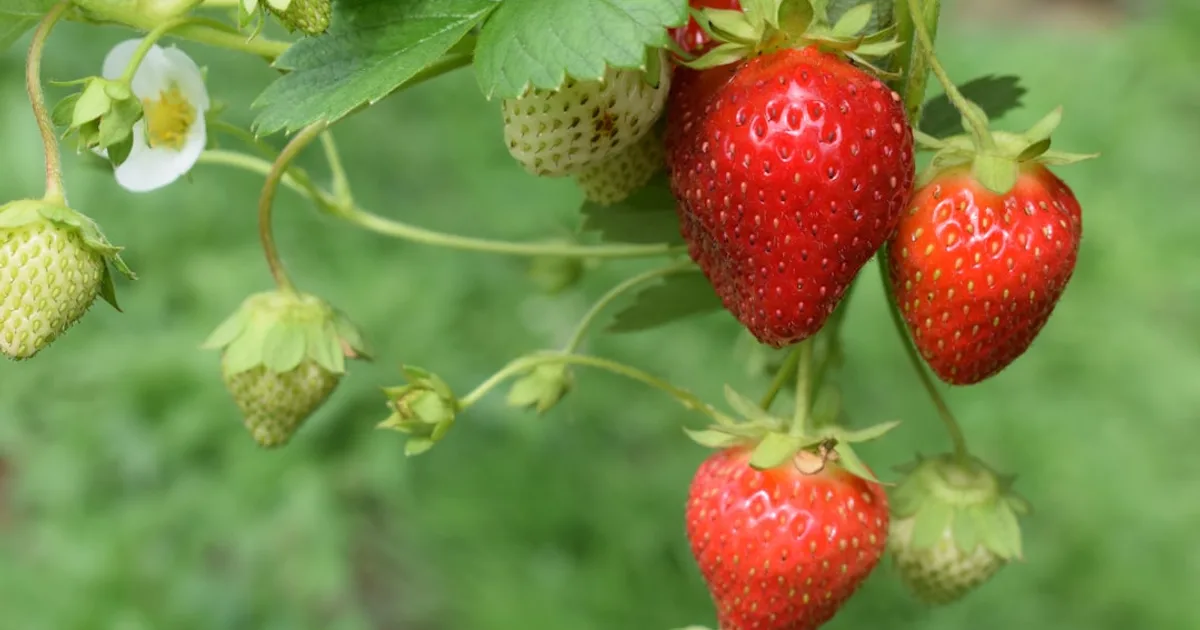
Mara des Bois is the variety serious strawberry growers always mention, and the praise is justified. A French everbearing variety that produces small to medium fruit continuously from June until the first frosts. The flavour has a wild strawberry intensity — genuinely complex, aromatic, and sweet — that separates it from almost everything else available to home growers. The yield per picking is modest and the fruit doesn't store or travel well, which is why you'll never find it in supermarkets. That's precisely the point. Grow it for eating straight from the plant. It's the best argument for growing your own.
Albion is a day-neutral variety developed in California that has become popular in the UK and across Europe. It produces large, conical, deep-red fruit with firm flesh and good flavour throughout a long season. It handles heat better than many varieties and performs well in containers, making it a good choice for balcony and patio growing — the same container conditions you'd use for patio tomatoes. Not quite the flavour complexity of Mara des Bois, but significantly more productive over a longer period.
Flamenco is a late-season everbearing variety that extends the picking season into October in mild years. Useful as part of a mixed planting strategy where you want to be harvesting fresh strawberries as late as possible. Fruit quality is good, plants are vigorous, and it's more disease-resistant than some older varieties. Pair it with an early variety like Honeoye and you cover most of the growing season between them.
For containers and small spaces
Not all strawberry varieties perform equally well in pots. The best container varieties are compact, tolerate the restricted root run and faster-drying compost, and fruit reliably without needing large volumes of soil.
Temptation is bred specifically for hanging baskets and containers. It produces a cascade of runners with berries along their length — genuinely ornamental as well as productive. Flavour is good for a container variety. It's day-neutral and fruits continuously.
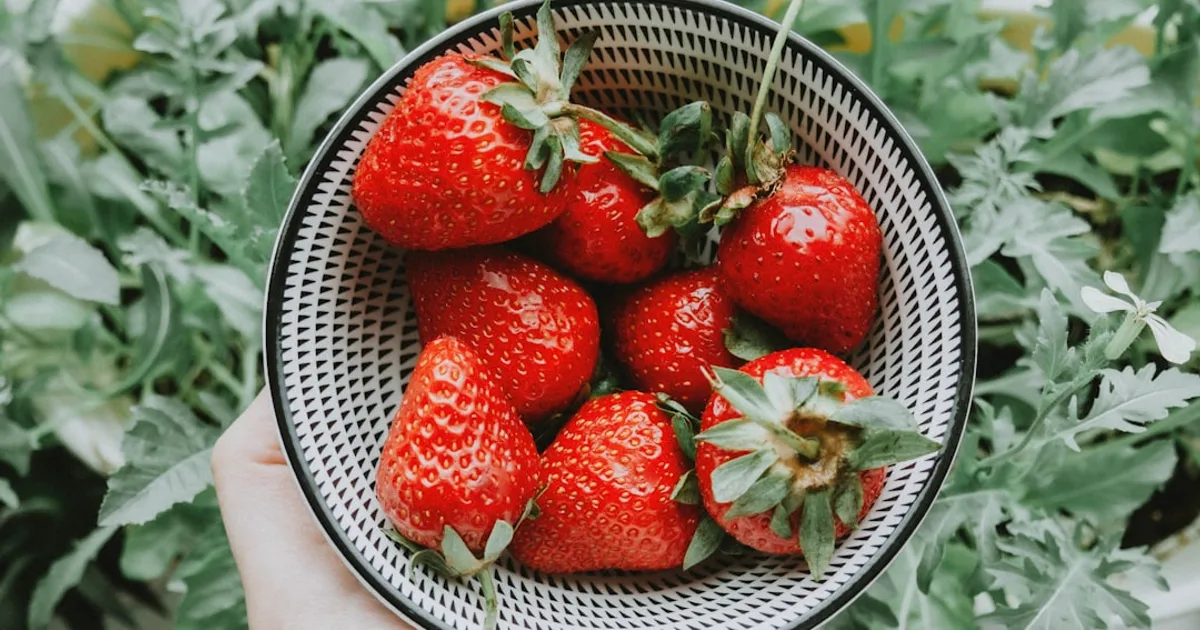
Toscana is a pink-flowered variety worth mentioning for container growing because it's unusual enough to attract attention. The flowers are genuinely pink rather than white, which makes it decorative. Flavour is reasonable. Grown primarily for the aesthetic but not a bad strawberry.
For serious fruit production in containers, Albion outperforms most dedicated "patio" varieties despite not being marketed specifically for container growing. Use a large container — at least 30cm diameter per plant — and don't let it dry out.
What actually affects flavour more than variety
Variety matters, but it doesn't operate in isolation. A good variety grown poorly will be disappointing. A reasonable variety grown well can be exceptional.
Sun is the biggest variable. Strawberries need at least six hours of direct sun daily to develop proper sugar content. Shaded plants produce fruit that's sour regardless of variety. If your growing space is partially shaded, choose a spot that gets the most afternoon sun rather than just the most total light hours.
Ripening fully on the plant before picking makes an enormous difference. Commercial strawberries are picked before peak ripeness to survive transport. Home-grown fruit can stay on the plant until it's properly, deeply red — and that extra few days of ripening changes the flavour significantly. Patience is the cheapest flavour improvement available.
Soil health and consistent watering matter throughout the season but especially during fruit development — a top dressing of finished compost each autumn helps considerably. Inconsistent watering — dry spells followed by heavy rain or irrigation — causes fruit to split and can produce hollow berries, which is why a vacation watering setup matters if you're away during fruiting season. Keep moisture consistent during the weeks the fruit is developing.
Finally, year two and three plants typically outperform first-year plants as the root system matures. Don't judge a variety by its first season's performance.
A practical starting point
If you're planting for the first time and want a combination that covers the season without overcomplicating things: Honeoye for early summer, Cambridge Favourite or Elsanta for mid-season volume, and Mara des Bois for the extended season and the flavour experience that makes growing your own worthwhile.
That's three varieties, a full season of fresh strawberries, and a reasonable spread of risk if one variety underperforms in a particular year. Adjust from there based on what you discover your growing conditions and preferences actually favour.