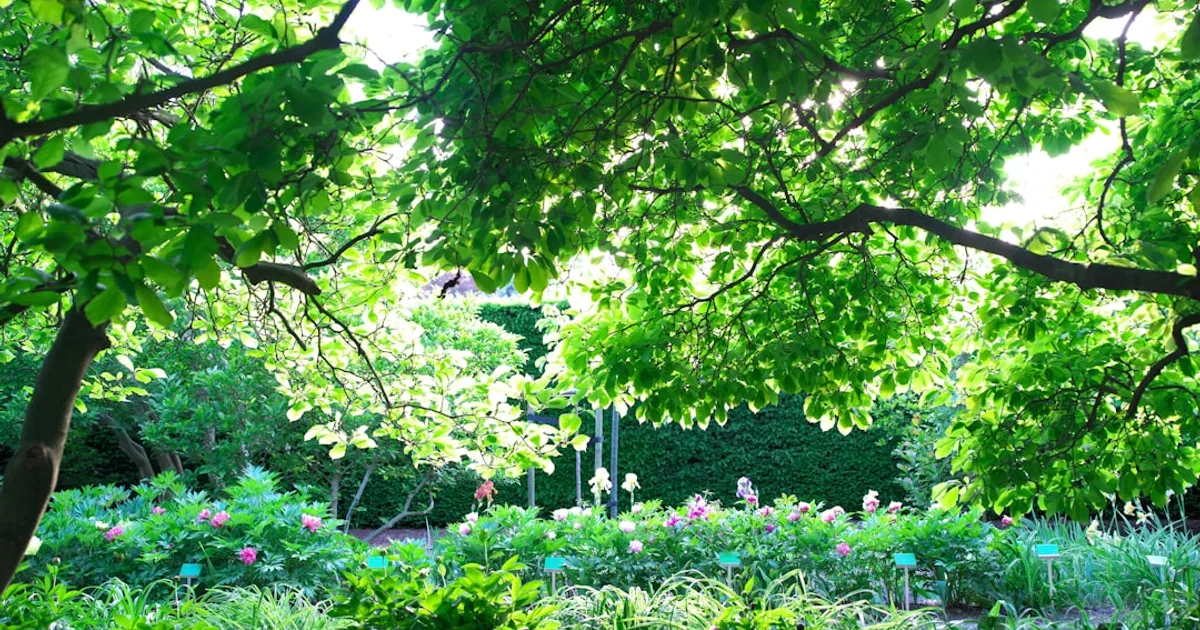
Shade is the garden problem most people approach with resignation. A north-facing border, a spot under a tree, the narrow passage down the side of the house — these feel like areas where you manage rather than garden. That's the wrong way to think about it. Some of the most beautiful garden planting happens in shade, and the plants that thrive there are often more interesting than the sun-loving annuals that dominate garden centres in spring.
The first thing worth knowing: shade is not one condition. Dappled shade under a deciduous tree — bright in spring before the leaves come, relatively light in summer — is completely different from dense dry shade under a large evergreen or against a north-facing wall that gets direct sun for perhaps an hour a day. The plants that work in one won't necessarily work in the other — and they're a different world from the full-sun beds where you'd plant tomatoes or home garden strawberries.
Dappled and partial shade
This is the most generous shade condition and the one with the widest plant palette available.
Hostas are the reference plant for dappled shade and they've earned the reputation. Large, architectural leaves in every shade from blue-grey to bright chartreuse to deep green, often with striking variegation. They emerge in spring, build through summer, and die back cleanly in autumn. Slugs are the problem — hosta leaves are exactly what slugs want — and managing them is the ongoing task of growing hostas. Copper tape around pots, beer traps, and going out with a torch on wet evenings are all part of the deal. The effort is worth it for a well-grown hosta.
Ferns give shade planting its texture. The soft fronds of Dryopteris (male fern) or the more architectural Polystichum (soft shield fern) work as year-round structure in a shaded border. Many ferns are semi-evergreen in mild winters, holding their fronds through to the following spring. They ask for almost nothing — reasonable moisture and the right light — and return reliably for years.
Astilbes bring colour to shaded borders in midsummer when much else has finished. The feathery plumes in pink, red, white, and purple rise above attractive ferny foliage. They need moisture more than they need shade — a dry shaded spot will disappoint — but in a damp partial shade situation they're one of the most rewarding summer perennials available, provided you have a vacation watering plan if you're away during a dry spell.
Heucheras are grown primarily for foliage — the leaves come in caramel, burgundy, lime green, silver, and combinations of all of these. They're compact, evergreen, and work as edging or ground cover under taller shade plants. The flowers are small and can be removed if you want the focus on the foliage.
Foxgloves (Digitalis) self-seed into shaded spots and produce the most striking vertical flower spikes of any shade-tolerant plant. They're biennial — they grow in year one and flower in year two — but once established in a garden they maintain themselves through self-seeding without intervention. The tall purple, pink, or white spires are genuinely beautiful in the right setting.
Dense dry shade
This is the harder condition — under large established trees where roots compete for moisture and the canopy is dense enough that little rain reaches the soil. The plant palette shrinks considerably but doesn't disappear.
Epimedium is the plant most often recommended for dry shade and the recommendation is justified. Low-growing, spreading slowly to cover ground, attractive heart-shaped leaves that are semi-evergreen, and small flowers in yellow, white, pink, or purple in early spring before the tree canopy fills in. Epimedium establishes slowly but once settled requires almost no attention — a top dressing of homemade compost each autumn speeds that settling-in noticeably.
Vinca (periwinkle) covers ground efficiently in dry shade and flowers reliably in blue-purple through spring and intermittently through summer. It can become invasive — spreading further than you'd like — but in a difficult area where you want coverage rather than refinement, that tendency is useful rather than problematic.
Ivy is reliable to the point of being unfashionable, but unfashionable in gardening circles and genuinely useful in a garden are different things. Variegated ivies in particular — Hedera helix 'Glacier', 'Goldchild' — lighten dark corners and provide year-round interest where almost nothing else will grow.
Wild garlic (Allium ursinum) naturalises beautifully under deciduous trees, producing a carpet of white flowers in spring with a garlic scent that's pleasant rather than overwhelming. The leaves appear in February and flower in April–May, then die back entirely by June — leaving the space for later-emerging plants. Buy bulbs in autumn and plant directly where you want them to spread.
North-facing walls and fences
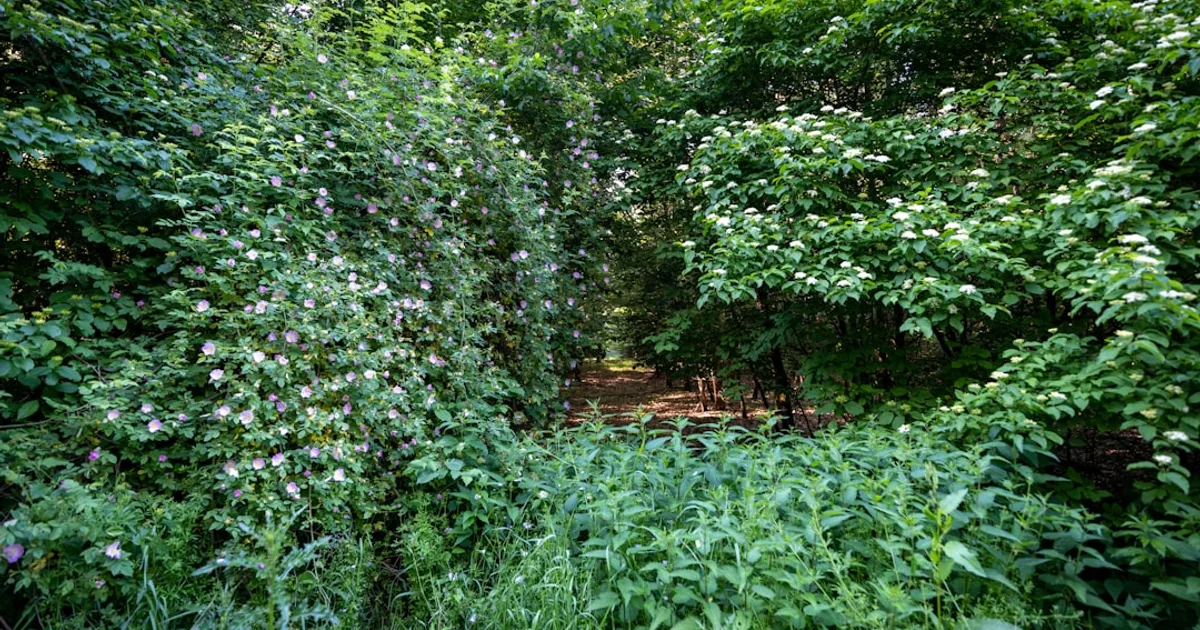
A north-facing wall or fence is a specific microclimate — shaded from direct sun but often not actually dark, receiving reflected and ambient light through most of the day. It tends to be cool and can be dry at the base where the structure shelters it from rain.
Hydrangea petiolaris (climbing hydrangea) is the outstanding choice for a shaded wall. It's slow to establish — spending the first year or two apparently doing nothing — and then grows vigorously, covering a large area with attractive dark green leaves and spectacular lacecap flowers in midsummer. It's fully self-clinging, needs no support, and is genuinely beautiful in flower. Worth the wait.
Camellias prefer the north or east-facing wall specifically — they flower in late winter and early spring, and east-facing sun on frosted buds can damage the flowers. A north-facing wall protects them from this while giving them enough ambient light to flower well. Choose varieties carefully for your climate — some are hardier than others.
Ferns again — the north-facing wall is where ferns excel. Asplenium scolopendrium (hart's tongue fern) with its strap-shaped glossy leaves is particularly good against a wall, providing a strong evergreen presence through winter when everything else has died back.
Ground cover for shaded areas
Beyond specific feature plants, having a ground cover that suppresses weeds and provides year-round coverage makes shaded areas low-maintenance rather than constantly weedy.
Pachysandra terminalis is slow but effective — evergreen, low, and eventually dense enough to suppress most weeds. Particularly good under trees where competition from roots makes other planting difficult.
Ajuga reptans (bugle) spreads by runners into a mat of dark or bronze foliage with blue flower spikes in spring. More interesting than most ground covers and effective enough to suppress weeds once established.
The principle that applies to all shade planting: the first year plants establish, the second year they grow, the third year they perform. Shade plants are generally slower than sun-loving ones. The patience required in the first two years is repaid in a third year that looks like you designed it — and pairing shade-tolerant ground cover with the right companions near roses can extend that palette into partially shaded borders too.


