Heating accounts for roughly half of the average household energy bill in winter. Which means the most effective place to reduce costs is also the most obvious one — but how you heat your home matters as much as how much you heat it. A poorly insulated house running an efficient boiler costs more than a well-insulated house running an older one.
This is not a list of minor tips that collectively save you £3 a month. These are the changes that actually move a winter bill in a meaningful direction.
1. Drop the thermostat by two degrees and compensate with layers
The relationship between thermostat setting and heating cost is roughly linear — each degree of reduction saves approximately 3% on heating costs. Two degrees is 6%, which on a significant winter bill is a real number.
The reason people resist this is thermal comfort, which is legitimate. But thermal comfort is determined by the combination of air temperature and what you're wearing, not by air temperature alone. A 19°C room in a good jumper feels similar to a 21°C room in a t-shirt. The jumper is free. The extra two degrees is not.
Smart thermostats with scheduling — heating on when you're home, off or reduced when you're not, reduced overnight — make this more granular than a single thermostat setting. A smart thermostat handles this automatically once installed.
2. Bleed your radiators
A radiator with trapped air doesn't heat as effectively as a fully bled one. It runs longer and at higher temperature to produce the same room warmth, which uses more energy for the same output. Bleeding radiators takes ten minutes, requires a radiator key that costs £1, and is worth doing once each autumn before the heating season begins.
Signs a radiator needs bleeding: it's warm at the bottom and cold at the top, it takes longer to heat up than others in the house, or you can hear gurgling sounds when the heating is running. A fully functioning radiator heats evenly from bottom to top and reaches temperature quickly.
3. Address draughts before anything else
Draughts — gaps around doors, windows, letter boxes, loft hatches, and where pipes enter the building — allow warm air to escape and cold air to enter continuously. The heating system compensates by running longer. Draught-proofing is one of the highest-return energy efficiency measures available, with low upfront cost and immediate impact on bills.
Self-adhesive draught excluder tape around window frames costs a few pounds and takes an afternoon to apply. Door draught excluders — either the bottom-of-door brush type or a draught snake — address the most significant source of cold air entry in most homes. A chimney balloon (an inflatable plug for unused chimneys) eliminates one of the largest draught sources in older properties. None of these are expensive; all of them reduce how hard the heating system has to work.
4. Switch to LED throughout
If you haven't replaced halogen or incandescent bulbs with LED, winter — when lighting runs longest — is when the inefficiency costs most. LED bulbs use approximately 75–80% less energy than incandescent equivalents and last significantly longer — a change that compounds with the broader monthly savings habits that reduce household bills.
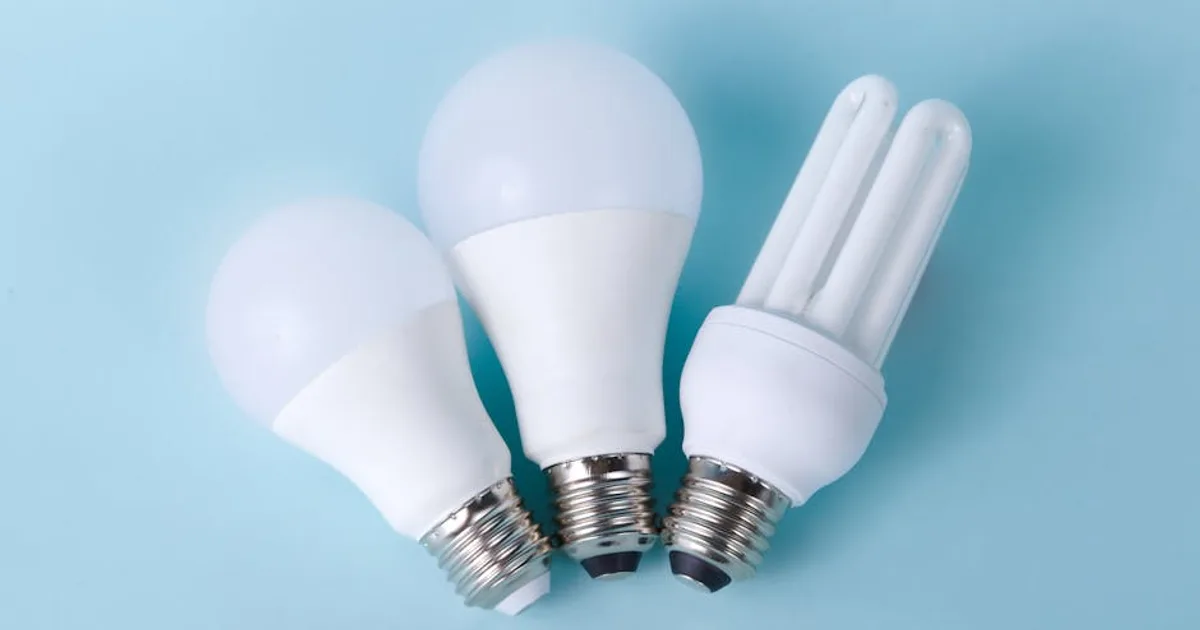
The remaining holdout in many households is the set of GU10 halogen spotlight bulbs in kitchens and bathrooms. These are the most energy-hungry lighting in most homes and have good LED equivalents. A set of six 50W halogen spotlights in a kitchen running for four hours daily uses significantly more electricity over a winter than six equivalent LED bulbs. Replace them.
5. Use appliances at off-peak times if you have a smart tariff
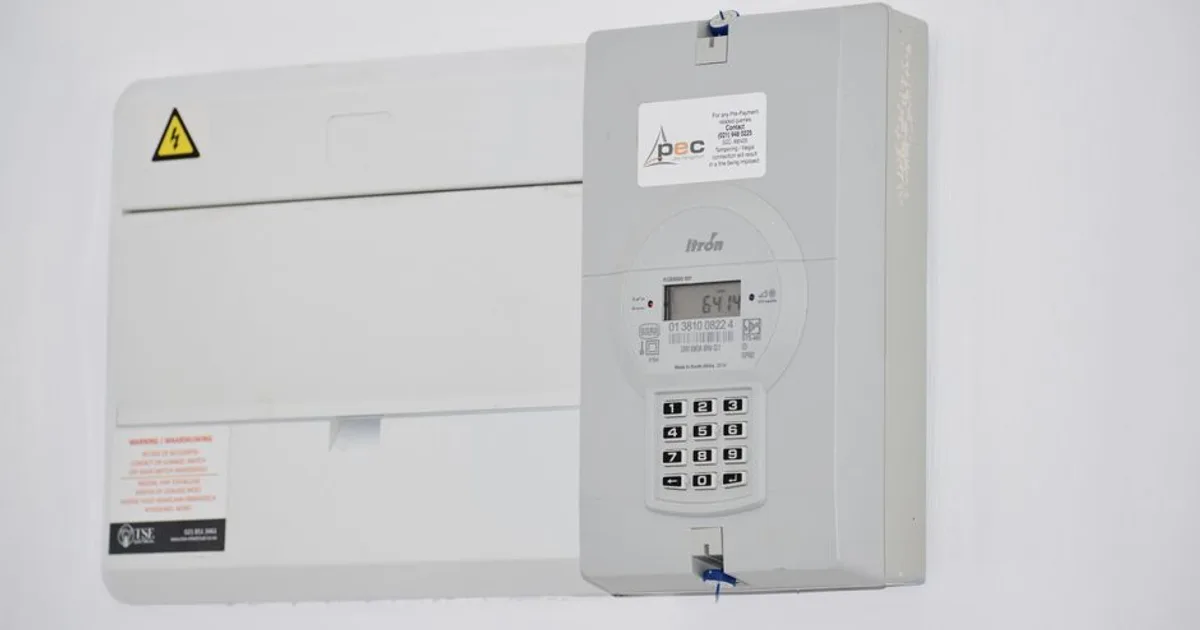
If you're on a time-of-use electricity tariff — where the per-unit cost varies by time of day — running high-consumption appliances (washing machine, dishwasher, tumble dryer) during cheaper overnight or off-peak hours produces meaningful savings. Peak-rate electricity can be two to three times the cost of off-peak on some tariffs.
If you're not on a time-of-use tariff, this tip doesn't apply. But it's worth checking whether your supplier offers one — the same annual comparison habit you'd use when renegotiating regular bills.
6. Stop heating rooms you don't use
Closing doors and turning down or off the radiators in rooms you rarely use — spare bedrooms, storage rooms, rarely-used reception rooms — means you're heating a smaller volume of space. This is more effective than it sounds because heat loss is roughly proportional to the temperature difference between inside and outside: a room held at 14°C loses less heat to the outside than one held at 20°C, and costs correspondingly less to maintain.
The caveat: rooms should not be completely unheated in winter if they contain pipes, as frozen pipes are significantly more expensive than the energy saved by under-heating the room. A minimum of around 12°C is sufficient to prevent pipe freezing.
7. Check your water heater temperature
Hot water heating is the second-largest energy use in most homes after space heating. Many hot water cylinders and combination boilers are set at higher temperatures than necessary. The recommended hot water temperature is 60°C — hot enough to kill Legionella bacteria but not so hot that it requires significant cold mixing at the tap, which wastes energy heated to a temperature that immediately gets diluted.
If your hot water is scalding at the tap without mixing — significantly above 60°C — the hot water temperature is set too high and can be reduced without any loss of practical function. On a combination boiler, this is usually a simple dial adjustment. On a system with a hot water cylinder, it's the thermostat on the cylinder itself.
The cumulative effect of these seven changes for a typical home varies considerably by starting point — how well insulated the house is, what the current thermostat settings are, whether bulbs have already been replaced. For a house that hasn't had any of these addressed, the combined impact on a winter bill can be 20–30% — meaningful progress toward cutting monthly expenses by 30% overall. Redirect what you save into an emergency fund and the benefit outlasts winter. Start with draught-proofing and thermostat reduction — they're the cheapest and fastest to implement, and consistently among the highest-return measures available.


