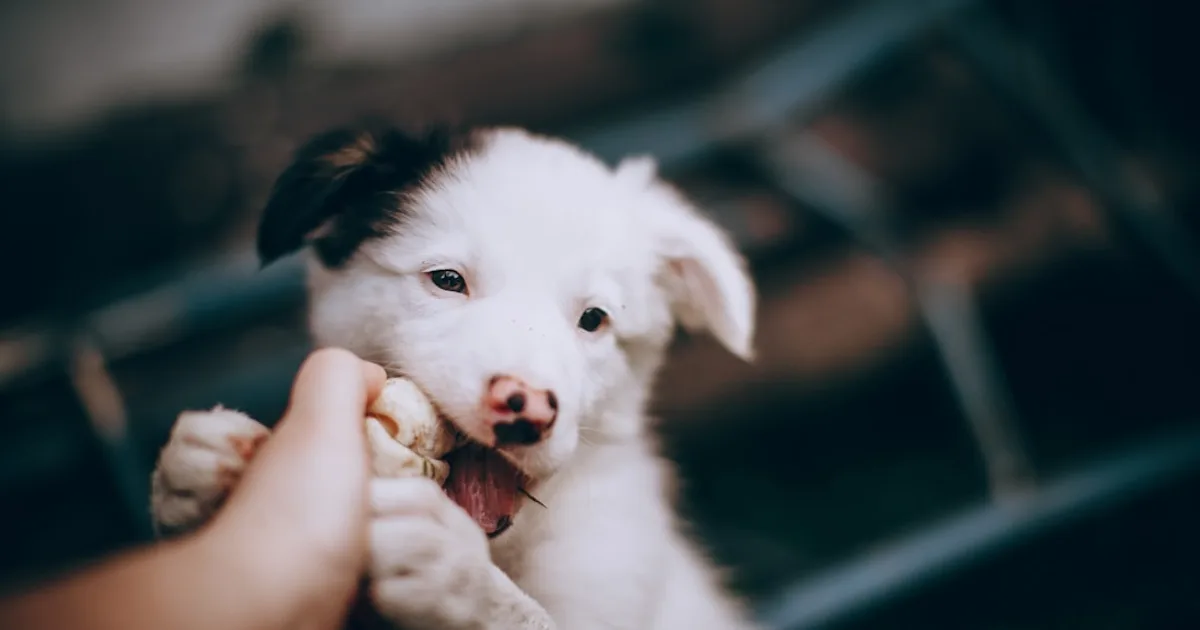
That pleading look your dog gives you at dinnertime is hard to resist. Many owners share table scraps without thinking twice, assuming that if something is safe for humans, it must be fine for dogs too. Unfortunately, this assumption has sent countless dogs to emergency veterinary clinics.
Dogs metabolize many foods differently than humans do. Substances that are perfectly safe for us can cause serious illness or even death in our canine companions. Understanding which human foods pose genuine dangers helps you make informed decisions about what to share and what to keep strictly off limits.
This guide covers truly toxic foods that should never be given to dogs, foods that are safe in moderation, common myths about dog-safe foods, and what to do if your dog eats something harmful.
Foods That Are Genuinely Toxic to Dogs
Some human foods contain compounds that are poisonous to dogs regardless of the amount consumed. While larger quantities cause worse effects, even small amounts of these foods can trigger serious reactions.
Chocolate
Chocolate contains theobromine and caffeine, both of which dogs cannot metabolize efficiently. The darker and more bitter the chocolate, the more dangerous it is. Baking chocolate and dark chocolate are most toxic, followed by milk chocolate, with white chocolate containing minimal theobromine.
Symptoms of chocolate poisoning include vomiting, diarrhea, rapid breathing, increased heart rate, restlessness, muscle tremors, and seizures. Signs typically appear within six to twelve hours of ingestion. A small dog eating a few ounces of dark chocolate can face life-threatening toxicity.
The toxic dose varies by chocolate type and dog size. As a general rule, any chocolate ingestion warrants a call to your vet or poison control, especially for dark or baking chocolate.
Xylitol
Xylitol is an artificial sweetener found in sugar-free gum, candy, baked goods, some peanut butters, toothpaste, and various diet products. It's extremely toxic to dogs even in small amounts.
In dogs, xylitol triggers a rapid release of insulin, causing a dangerous drop in blood sugar. This can lead to weakness, vomiting, loss of coordination, collapse, and seizures. Higher doses can cause liver failure within 24 to 72 hours.
A single piece of xylitol-containing gum can be dangerous for a small dog. Always check ingredient labels, especially on peanut butter, which many owners use for treats or medication administration.
Grapes and Raisins
Grapes and raisins can cause acute kidney failure in dogs. The exact toxic compound hasn't been identified, and sensitivity varies unpredictably between individual dogs. Some dogs eat grapes without apparent problems while others develop severe illness from just a few.
Because there's no way to predict which dogs will react, all grape and raisin exposure should be treated as potentially dangerous. Symptoms include vomiting, lethargy, loss of appetite, decreased urination, and abdominal pain. Kidney failure can develop within 24 to 72 hours.
Products containing grapes or raisins, including certain breads, cookies, and trail mixes, pose the same risk.
Onions, Garlic, and Related Plants
The allium family, which includes onions, garlic, leeks, chives, and shallots, contains compounds that damage red blood cells in dogs, leading to anemia. Garlic is actually more toxic per ounce than onions, though both are dangerous.
All forms are problematic including raw, cooked, powdered, and dehydrated. Onion powder is especially concerning because it's concentrated and found in many prepared foods, soups, and seasonings.
Symptoms may not appear for several days after ingestion and include weakness, lethargy, pale gums, rapid breathing, and red or brown urine. Repeated small exposures can cause cumulative damage.
Macadamia Nuts
Macadamia nuts cause a specific toxic syndrome in dogs that researchers still don't fully understand. Symptoms include weakness especially in the back legs, vomiting, tremors, elevated body temperature, and an inability to walk properly.
Fortunately, macadamia toxicity is rarely fatal, and most dogs recover within 24 to 48 hours with supportive care. However, if macadamia nuts are combined with chocolate, which often happens in cookies and candies, the situation becomes more serious.
Alcohol
Dogs are much more sensitive to alcohol than humans. Beverages, food cooked with alcohol, and even raw bread dough containing yeast can cause alcohol poisoning.
Symptoms include vomiting, disorientation, difficulty breathing, coma, and death in severe cases. Dogs are attracted to sweet alcoholic drinks, making cocktails and mixed drinks particularly risky if left unattended.
Raw yeast bread dough is doubly dangerous because the yeast continues fermenting in the warm stomach, producing alcohol while the expanding dough can cause life-threatening bloat.
Caffeine
Beyond chocolate, caffeine appears in coffee, tea, energy drinks, soda, and some medications. Dogs are more sensitive to caffeine than humans and can develop toxicity from relatively small amounts.
Symptoms mirror those of chocolate poisoning including restlessness, rapid breathing, heart palpitations, muscle tremors, and seizures. Coffee grounds and tea bags are concentrated sources that dogs sometimes eat from trash.
Other Hazardous Foods to Avoid
Beyond the truly toxic foods above, several other human foods pose significant risks to dogs.
Cooked Bones
While raw bones are controversial but generally considered safer, cooked bones are genuinely dangerous. Cooking makes bones brittle and prone to splintering. Sharp fragments can puncture the digestive tract, cause choking, or create intestinal blockages.
Chicken bones, rib bones, and fish bones are particularly risky due to their tendency to splinter into sharp pieces. Even beef bones become more dangerous when cooked.
Fatty Foods
Extremely fatty foods like bacon, ham fat trimmings, and fried foods can trigger pancreatitis in dogs. This painful inflammation of the pancreas causes vomiting, diarrhea, abdominal pain, and can become life-threatening.
Some dogs are more prone to pancreatitis than others, but any dog can develop it from a high-fat meal. Holiday seasons often see spikes in pancreatitis cases from dogs eating turkey skin, ham, and other fatty scraps.
Avocado
Avocado contains persin, a compound that can cause vomiting and diarrhea in dogs. While dogs are less sensitive to persin than some other animals, the bigger risk is the large pit, which can cause choking or intestinal blockage if swallowed.
The high fat content of avocados can also contribute to pancreatitis in susceptible dogs.
Nutmeg
Nutmeg contains myristicin, which can cause hallucinations, increased heart rate, disorientation, high blood pressure, abdominal pain, and seizures in dogs. While small amounts in baked goods are unlikely to cause problems, dogs who eat nutmeg directly from the spice container face serious risks.
Salt
Large amounts of salt can cause sodium ion poisoning in dogs. Symptoms include vomiting, diarrhea, tremors, elevated body temperature, and seizures. Extreme cases can be fatal.
This is a particular concern with rock salt used for deicing, homemade play dough, and very salty snacks consumed in quantity. Normal amounts of salt in food are generally fine.
Foods That Are Safe in Moderation
Not everything from your plate is dangerous. Many human foods can be shared safely with dogs as occasional treats.
Plain cooked lean meats like chicken, turkey, and beef are excellent treats. Remove all bones, skin, and excess fat, and skip any seasonings. These protein sources are actually ingredients in many commercial dog foods.
Many fruits make healthy treats including apples without seeds, bananas, blueberries, watermelon without seeds, cantaloupe, and strawberries. Fruits are high in natural sugar, so portions should be small.
Dog-safe vegetables include carrots, green beans, cucumber, zucchini, and plain cooked sweet potato. These provide fiber, vitamins, and make low-calorie treats for dogs watching their weight.
Plain cooked eggs are nutritious and easily digestible. Some owners feed raw eggs, but cooked eliminates any salmonella risk.
Plain cooked rice and pasta can help settle upset stomachs and provide easily digestible carbohydrates. Skip butter, oil, and sauces.
Plain popcorn without butter, salt, or seasonings is a safe occasional treat. Watch for unpopped kernels that could cause choking.
Peanut butter is beloved by most dogs and safe as long as it doesn't contain xylitol. Check the ingredient label every time, as some brands have added xylitol in recent years. Natural peanut butters with just peanuts and maybe salt are the safest choice.
Plain yogurt and cheese in small amounts are tolerated by most dogs, though some are lactose intolerant. Start with tiny amounts to gauge your dog's reaction.
If you're looking for ways to keep your puppy occupied with safe alternatives to table scraps, learning about appropriate treats is part of preparing for dog ownership. Our guide on how to prepare for a new puppy covers what to have on hand including suitable treats.
Common Myths About Dangerous Dog Foods
Misinformation about dog-safe foods circulates widely. Let's separate fact from fiction.
Myth: Garlic Is Safe in Small Amounts
Some sources claim small amounts of garlic are safe or even beneficial for dogs, citing supposed flea-repelling properties. This is false. Garlic is more toxic per ounce than onions, and while a tiny amount might not cause obvious symptoms, repeated exposure can lead to cumulative red blood cell damage. There's no safe amount of garlic for dogs.
Myth: Dogs Can Eat Anything Their Wolf Ancestors Ate
Domestic dogs have evolved alongside humans for thousands of years and are quite different from wolves metabolically. Additionally, wolves don't eat chocolate, xylitol, or most other foods on the toxic list. This argument doesn't hold up.
Myth: A Little Bit Won't Hurt
For truly toxic substances like xylitol and grapes, even small amounts can cause serious harm. The "just a little bit" mentality sends many dogs to emergency clinics. When something is genuinely toxic, err on the side of complete avoidance.
Myth: If It's Natural, It's Safe
Plenty of natural foods are toxic to dogs. Grapes are completely natural. So are onions, macadamia nuts, and avocados. Natural doesn't equal safe.
Myth: Dogs Will Avoid Foods That Are Bad for Them
Dogs are scavengers who evolved to eat whatever food opportunities presented themselves. They have no instinctive knowledge of what foods are toxic and will happily eat chocolate, grapes, and anything else that smells appealing. Never assume your dog will self-regulate around dangerous foods.
Understanding Why Some Dogs Eat Strange Things
If you're wondering why your dog eats grass, you know that dogs often consume things that seem illogical. This tendency extends to human food and can put them at risk.
Dogs are opportunistic eaters programmed to take advantage of food when available. This survival instinct doesn't account for modern processed foods containing toxic additives.
Additionally, dogs rely heavily on smell, and many toxic foods smell appealing. Chocolate, baked goods with xylitol, and onion-seasoned dishes all register as desirable food to a dog's nose.
Boredom, anxiety, and hunger can increase scavenging behavior. Dogs who counter-surf, get into trash, or beg excessively may need more mental stimulation, structured feeding schedules, or behavior training.
Puppies especially explore the world through their mouths and may sample anything within reach. Stopping a puppy from biting and mouthing inappropriate objects is part of early training that also helps prevent toxic ingestion.
The Table Scraps Debate
Sharing food with dogs is culturally ingrained in many families. Before commercial dog food existed, dogs ate whatever scraps humans provided. So is sharing table food inherently bad?
The answer is nuanced. Occasional sharing of safe foods isn't harmful and can even strengthen the bond between dog and owner. The problems arise when table scraps contain toxic ingredients, when they contribute to obesity, or when they reinforce begging behavior.
The main risks of frequent table scrap feeding include nutritional imbalances if scraps replace balanced dog food, weight gain from calorie-dense human food, exposure to toxic ingredients in prepared foods, encouraged begging that becomes a nuisance, digestive upset from rich or unfamiliar foods, and pancreatitis from high-fat foods.
If you choose to share human food with your dog, keep portions small, stick to the safe foods listed above, avoid anything seasoned or prepared with unknown ingredients, and never feed directly from your plate or the table.
Many families find that keeping dog treats nearby during meals gives them something safe to share, satisfying the desire to include the dog without the risks of random table scraps.
What to Do If Your Dog Eats Something Toxic
Despite best efforts, dogs sometimes manage to eat things they shouldn't. Knowing how to respond can save your dog's life.
Immediate Steps
Stay calm and remove your dog from the area to prevent further ingestion. Try to identify exactly what and how much your dog consumed. Check packaging for ingredient lists and save any wrappers or containers.
Note the time of ingestion as accurately as possible. This helps veterinarians determine what stage of absorption your dog is in and what treatments are appropriate.
Contact Professionals
Call your veterinarian or an emergency animal clinic immediately. If it's after hours, most areas have emergency vet services available 24 hours.
You can also contact the ASPCA Animal Poison Control Center at 888-426-4435 or the Pet Poison Helpline at 855-764-7661. These services have veterinary toxicologists on staff and can provide specific guidance. Note that these hotlines typically charge a consultation fee.
Be prepared to provide your dog's weight, what they ate, how much, when it happened, and any symptoms you're observing.
What NOT to Do
Don't induce vomiting unless specifically instructed to by a veterinarian. Inducing vomiting is appropriate for some toxins but can cause additional harm with others, particularly caustic substances or sharp objects.
Don't wait for symptoms to appear. Many toxic substances don't cause immediate symptoms, but damage is occurring internally. Early intervention often leads to better outcomes.
Don't try home remedies like milk, bread, or other folk treatments. These are largely ineffective and delay appropriate care.
Don't assume that because your dog isn't showing symptoms, they're fine. Some toxins take hours or even days to cause visible effects.
At the Vet Clinic
Treatment depends on what was consumed and when. Options may include inducing vomiting if done within an appropriate timeframe, administering activated charcoal to absorb remaining toxin, IV fluids to support kidney function and flush the system, medications to control symptoms like seizures or heart irregularities, blood transfusions for severe anemia from allium poisoning, and monitoring and supportive care while the toxin clears.
The prognosis depends on the substance, amount consumed, your dog's size and health, and how quickly treatment began. Many dogs recover fully with prompt appropriate care.
Prevention Strategies
The best approach to food toxicity is preventing access to dangerous foods in the first place.
Kitchen and Dining Safety
Store toxic foods securely out of reach. Remember that dogs can counter-surf, open some cabinets, and knock items off tables. Consider child-proof cabinet locks for lower cabinets containing hazardous items.
Never leave food unattended where dogs can reach it. This includes plates on the table, cooling baked goods on counters, and grocery bags waiting to be put away.
Secure trash cans with lids or store them inside cabinets. Garbage is a treasure trove of toxic scraps including chocolate wrappers, coffee grounds, and onion trimmings.
Be especially vigilant during holidays and gatherings when food is abundant and attention is divided. Keep your dog secured in another room during parties if necessary.
Training and Management
Train a solid "leave it" command that works reliably even around tempting food. This can be literally lifesaving if your dog finds something toxic before you can intervene.
Feed your dog on a consistent schedule so they're not desperately hungry and more likely to scavenge. A satisfied dog is less motivated to seek out forbidden food.
Provide appropriate mental stimulation and exercise. Bored dogs are more likely to get into trouble. If you're looking for breed guidance that matches your lifestyle and living situation, understanding your dog's needs is essential. Our article about choosing a dog breed for an apartment addresses matching activity needs with your available space.
Educating Household Members
Make sure everyone in the household, including children and guests, knows what foods are dangerous for dogs. Create a simple list posted in the kitchen if needed.
Teach children not to share food with the dog without adult approval. Kids often don't understand that foods safe for them can harm pets.
Brief visitors about your food rules. Well-meaning guests may share scraps without realizing the risk.
When Safe Foods Become Problems
Even dog-safe human foods can cause issues in certain contexts.
Large quantities of any new food can cause digestive upset. Even healthy treats like carrots or apples can trigger vomiting or diarrhea if your dog eats too much too quickly.
Some dogs have food allergies or sensitivities that make otherwise safe foods problematic for them individually. Common allergens include chicken, beef, dairy, wheat, and eggs. If your dog has known allergies, even safe foods require careful screening.
Dogs with certain health conditions may need to avoid specific foods. Dogs with pancreatitis need to avoid fat, those with kidney disease may need protein restriction, and diabetic dogs shouldn't have sugary treats.
Puppies have more sensitive digestive systems and should be introduced to new foods gradually. What an adult dog tolerates fine might upset a puppy's stomach.
Always introduce new foods in small amounts and watch for any adverse reactions before making them a regular part of your dog's treat rotation.
Building a Safe Treat Strategy
Rather than randomly sharing human food, consider a deliberate approach to treats that keeps your dog safe while still allowing sharing moments.
Keep a supply of dog-safe human foods cleaned, prepared, and readily accessible. Baby carrots, apple slices without seeds, and small pieces of banana make convenient treat options that require minimal preparation.
Have dog treats available during your own meal times. This gives you something safe to share that redirects attention from your plate.
Use safe human foods strategically for training, medication delivery, or puzzle toys. Plain peanut butter without xylitol is perfect for stuffing Kong toys. Small pieces of chicken make high-value training rewards.
Know your dog's individual tolerances. Some dogs handle dairy fine while others get digestive upset. Some tolerate high-fiber vegetables while others don't.
Balance treats against your dog's overall calorie needs. All treats, human food or commercial, should make up no more than ten percent of daily calories to maintain a healthy weight.
Creating a Safer Environment
Keeping dangerous foods away from your dog requires ongoing vigilance, but it becomes easier as habits develop.
Make kitchen management automatic. Always push food to the back of counters. Close trash lids every time. Put groceries away immediately. These habits protect your dog without requiring constant conscious effort.
Keep emergency numbers readily accessible. Post your vet's number, emergency clinic number, and poison control numbers where anyone in the household can find them quickly.
Consider pet insurance or establish an emergency fund. Treating toxic ingestion can be expensive, and financial concerns shouldn't delay necessary care.
Stay informed about newly identified toxic foods. Research continues to discover substances harmful to dogs. Xylitol wasn't widely recognized as a dog toxin until relatively recently.
Your dog trusts you to keep them safe, including from their own undiscerning appetite. By understanding which human foods are dangerous for dogs and taking steps to prevent access, you protect your companion from preventable illness while still enjoying the bond that sharing food can create.