The two-hour guideline that circulates in parenting circles comes from the American Academy of Pediatrics, updated most recently in 2016. It has become so embedded in parenting culture that most parents treat it as established science. It isn't, quite. It's a practical recommendation based on research that is messier, more contested, and more nuanced than the headline figure suggests.
That doesn't mean screen time doesn't matter. It does. But the question "how much is too much" turns out to be less useful than asking what kind, what context, and what is it replacing.
What the research actually shows
The honest summary of the research on children and screens is: it depends. Passive consumption of fast-moving, highly stimulating content — YouTube autoplay, certain games designed to maximise engagement — is associated with attention difficulties and sleep disruption, particularly in younger children. Video calling with grandparents is not. Educational programming watched with a parent who talks about it is not. A teenager using a laptop to write an essay or learn to code is not.
The studies that produce alarming findings about screen time tend to measure total screen time without distinguishing between these very different activities. A child logging three hours that includes a FaceTime call with a relative, a documentary about animals, and thirty minutes of a thoughtfully designed game looks identical in the data to a child who spent three hours on algorithmically optimised short-form video. They are not the same situation.
What does seem consistent across better-designed studies: screens in the hour before bed disrupt sleep across all ages, including adults — which is why a firm bedtime routine without screens is one of the most reliable interventions available. Very young children (under two) do not learn effectively from screens the way they learn from live interaction. And time spent on screens is time not spent on other things — which matters most when what's being displaced is physical activity, sleep, or face-to-face social interaction.
Age actually matters
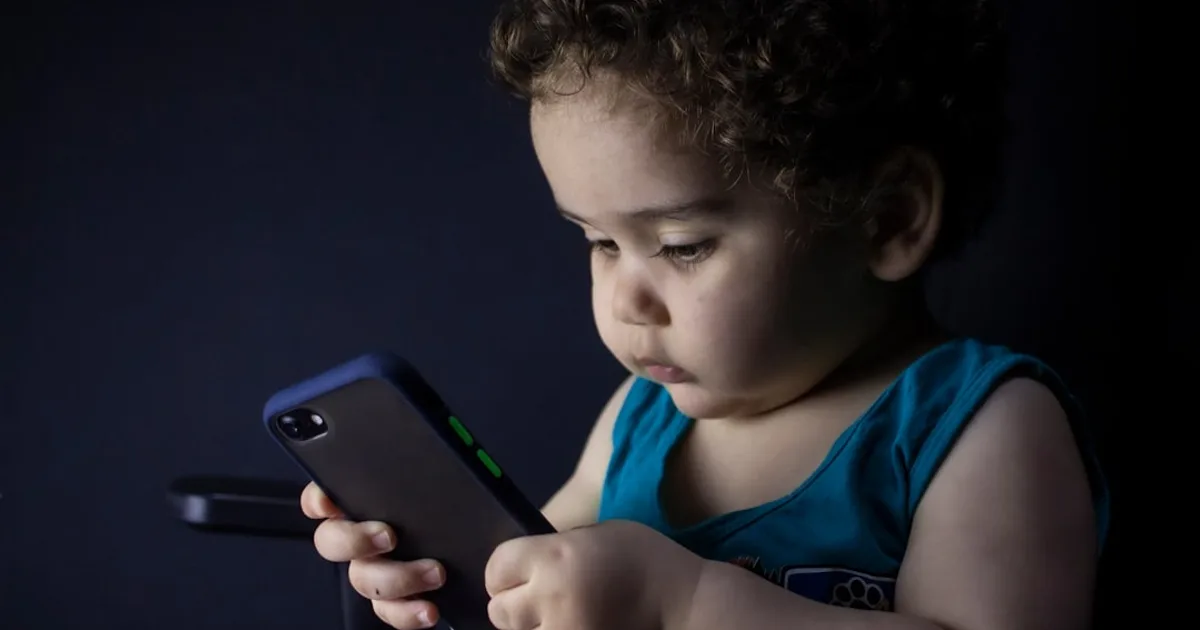
For children under 18 months, the evidence for limiting screens is reasonably strong. Infants learn language and social cues from live interaction in ways they don't from video. The exception is video calling — seeing a known person on a screen and having them respond in real time is meaningfully different from passive viewing.
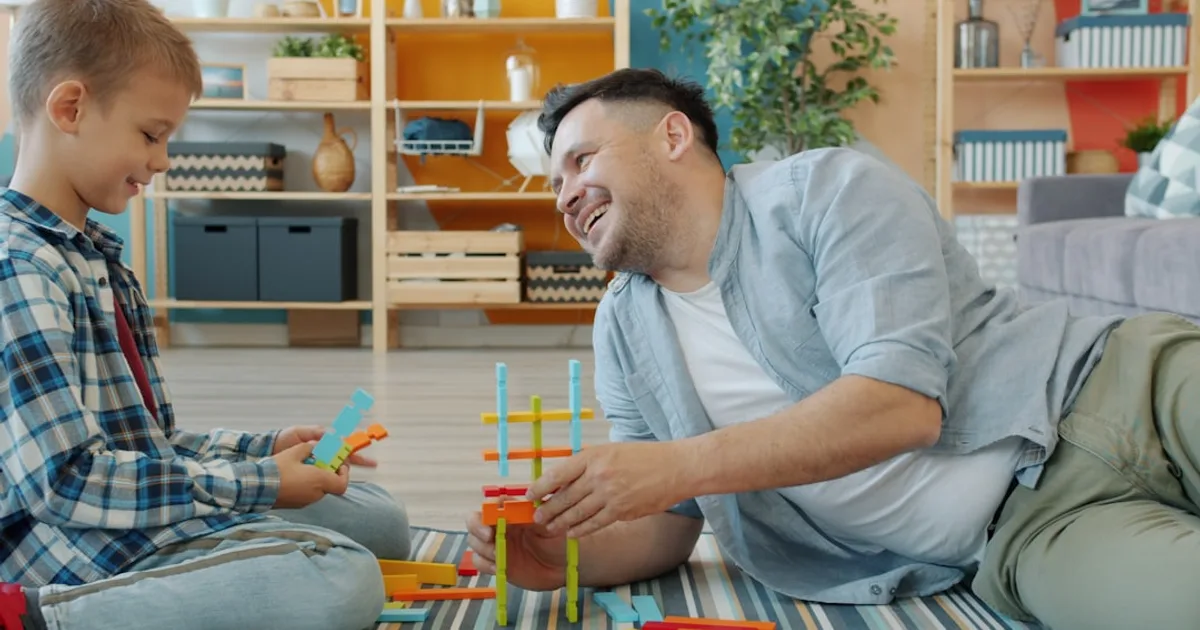
Two to five year olds can learn from high-quality programming, but they learn significantly more when an adult watches with them and talks about what's on screen — the same engaged, present approach that makes developmental play at home so effective. The content matters enormously at this age. Slow-paced, interactive programming — the kind that pauses and asks questions — is substantively different from passive entertainment.
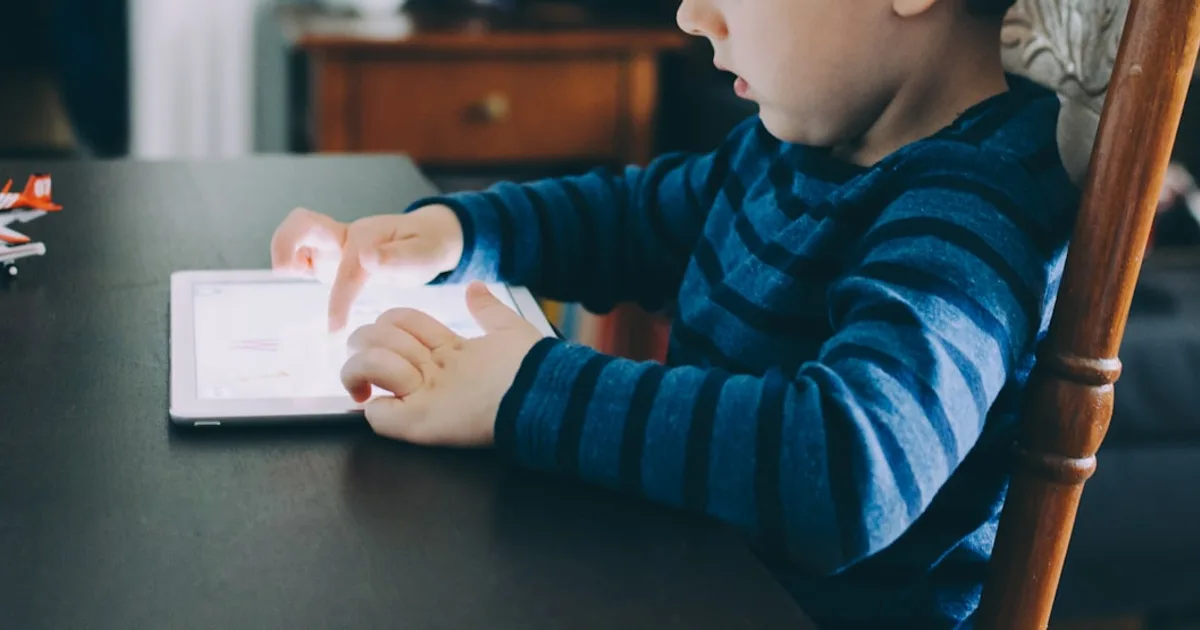
From school age onward, the picture gets more complicated because screens are increasingly how children learn, socialise, and engage with creative work — which makes choosing the right laptop for home use a parenting decision as much as a tech one. Blanket time limits become harder to apply meaningfully when homework is done on a laptop and friendships are partly maintained through messaging.
Teenagers are using screens in ways that are qualitatively different again — and the conversations about limits go better when you've already built a habit of listening first, as covered in our guide to talking to teenagers without arguments. Social media's relationship with adolescent mental health is a genuinely active research area with contested findings. What seems clearer: passive scrolling and social comparison produce worse outcomes than active creation and communication. A teenager who uses their phone to organise their social life, create content, and stay in touch with friends is in a different category from one who spends hours scrolling feeds designed to produce anxiety and comparison.
What displaces what
The most useful frame isn't hours but displacement. Ask: what is this screen time replacing?
If a child is watching television instead of sleeping, that's a problem. If they're watching instead of being physically active for the third day running, that's worth addressing. If they're scrolling social media instead of doing homework — or instead of picking up a book — something needs to change. Building a genuine reading habit at home, as we cover in teaching a child to read, gives screens a real alternative rather than just a rule to resent.
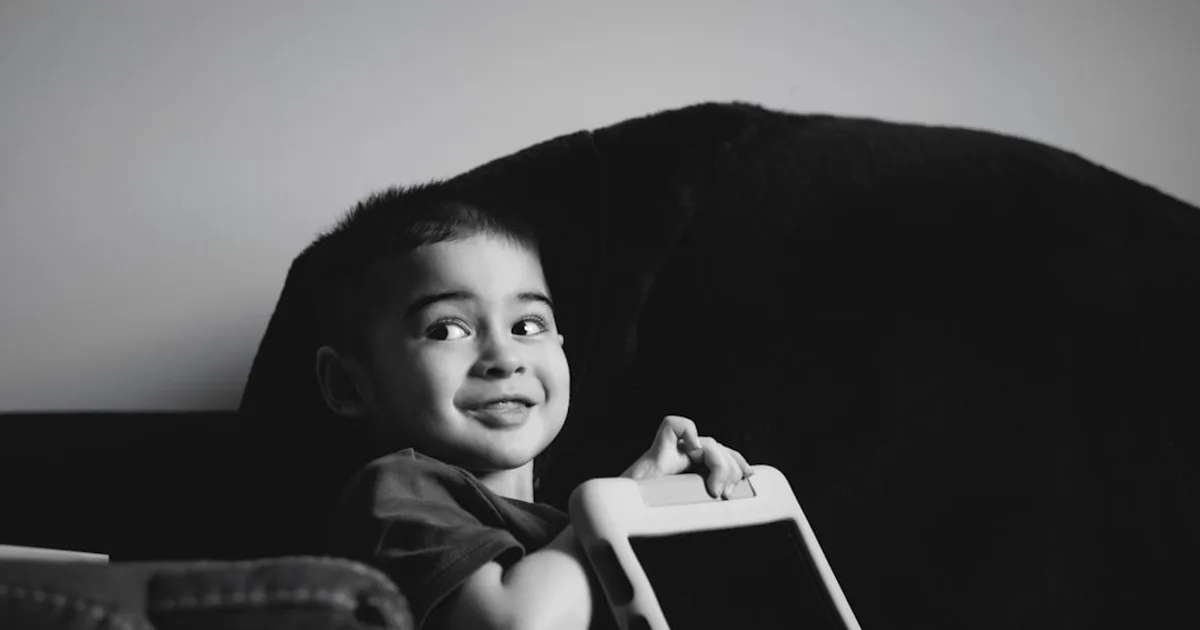
If they're watching a film after finishing homework, after being outside, after having dinner together — what exactly is the problem? The hours that matter are the ones that compete with sleep, movement, homework, meals together, and face-to-face connection. Hours that don't compete with those things are harder to object to on developmental grounds.
Practical positions that hold up
No screens an hour before bed is the most evidence-backed limit available. Sleep disruption from screen use before bed is one of the most consistent findings in this area, and sleep quality in children has downstream effects on mood, learning, and behaviour that are significant. This limit is worth holding firmly.
For young children, being present during screen time rather than using it as a guaranteed interruption-free period produces substantially better outcomes. This is harder but it's what the research supports.
Content quality matters more than time. Thirty minutes of something genuinely excellent is better than two hours of algorithmically optimised engagement bait. Knowing what your children are watching and playing — not as surveillance but as genuine interest — gives you the information to make this distinction.
Modelling is unavoidable. Children who see adults unable to put their phones down during dinner or conversation are learning about screens from that behaviour regardless of what rules are in place. The household norms you enforce need to include you.
The number
If you want a number: for children aged two to five, an hour of quality content per day as a rough guideline is reasonable and broadly consistent with the research. For school-age children and teenagers, total time is less useful than the questions above — is it displacing sleep, movement, homework, or connection? If not, the case for strict limits weakens considerably.
What the research doesn't support is the idea that screens are uniquely toxic in a way that other passive activities — watching television in the 1980s, reading comics, spending hours on the phone as a teenager — were not. Each generation of parents has worried about the medium their children inhabit. Some of those worries were right and some weren't. The current evidence suggests that how screens are used matters far more than how much.
The families that navigate this well tend not to have rigid rules so much as ongoing conversations about what technology is for, what it feels like to use it, and what the household values. That approach scales better than a number — because the technology will change faster than any guideline can keep up with.