Solo travel has a reputation problem in both directions. Some people treat it as inherently dangerous — a continuous exercise in risk management and paranoia. Others dismiss safety concerns entirely as overblown anxiety. The reality is more useful than either position: solo travel carries specific, manageable risks that are different from group travel, and most of them respond to the same small set of habits applied consistently.
The risks that matter are not the dramatic ones that make the news. Violent crime against tourists is rare in most destinations, and the cases that receive coverage are statistically outliers. The risks that actually affect solo travellers most frequently are: petty theft, scams targeting obviously disoriented visitors, transport problems when no one knows your plans, and medical situations handled without a companion. These are all manageable.
Before you leave: the infrastructure that protects you
Tell someone your itinerary. Not a vague "I'm going to Thailand" — actual accommodation names, booking references, planned transport, and a check-in schedule. If you've found cheap flights and booked accommodation independently, those confirmation numbers are exactly what your contact person needs. "I'll message you every evening by 10pm local time. If you don't hear from me by midnight, here's what to do." This takes twenty minutes to set up and is the single most important safety habit for solo travel. The person doesn't need to be able to help remotely — they need to know when to raise an alarm.
Store copies of everything off your person. Passport photo page, visa, travel insurance policy number and emergency contact, credit card numbers and cancellation contacts, flight and accommodation confirmations. Email them to yourself, store them in cloud storage, or use a travel app. If your bag is stolen, none of this is gone.
Buy travel insurance that includes emergency assistance. Not just medical coverage — assistance, which means a number you can call at 3am from anywhere in the world when something has gone wrong. Read what your policy actually covers before you travel, not after something happens — the same step-by-step approach we cover when booking a holiday without a travel agent.
Research destination-specific risks before you arrive. Not to become anxious but to be specifically informed. The scam that targets tourists at this particular train station. The neighbourhoods that are fine by day and different at night. The transportation options that are legitimate versus the ones that aren't. Ten minutes of research from people who've been recently — recent TripAdvisor reviews, travel forums, Reddit threads for the specific destination — provides genuinely actionable information that generic safety advice doesn't.
Arriving and orienting: the first hours matter most
Arriving in an unfamiliar city tired from travel is when most problems happen. Judgement is impaired, you're visibly disoriented, and you don't yet know what normal looks like in this place.
Know your transport option from the airport before you land. Not "I'll figure it out when I get there" — the specific train or bus, the approximate fare, the stop you want. Traveling to airports on public transport rather than defaulting to taxis is cheaper and often safer when you've researched the route in advance. This single piece of preparation prevents the most common arrival-day problem: exiting arrivals into a crowd of unlicensed taxi drivers competing for confused tourists, and accepting transport without knowing whether the price is reasonable.
The first few hours in a new destination establish your mental map. Walk the immediate area around your accommodation before dark, with nothing valuable on you if possible. Know where the nearest pharmacy is, where to get food, what the streets look and feel like at street level. Orientation reduces the disorientation that makes you a less confident and therefore more vulnerable-seeming target for opportunistic theft and scams.
Managing valuables
The behaviour that eliminates most petty theft: not visibly having things worth stealing in places where theft is possible.
This doesn't mean hiding everything in a money belt that you dig out in the middle of a crowded street. It means: phone in a front pocket or internal jacket pocket rather than a back pocket or external bag pocket. Camera worn across the body and kept in hand when in use, not dangling from a wrist strap. The expensive watch left at home or in the accommodation safe for days when you're in crowded markets or transit hubs. The wallet containing only what you need for the day, with backup cards stored separately.
Bag selection matters. A backpack worn on your back in crowded situations is easy to open without you noticing. A bag with clips, internal pockets, and worn across the front in high-crowd situations is much harder to access. Anti-slash bags are available and worth considering for cities known for bag theft. They don't prevent all theft but they prevent the opportunistic kind.
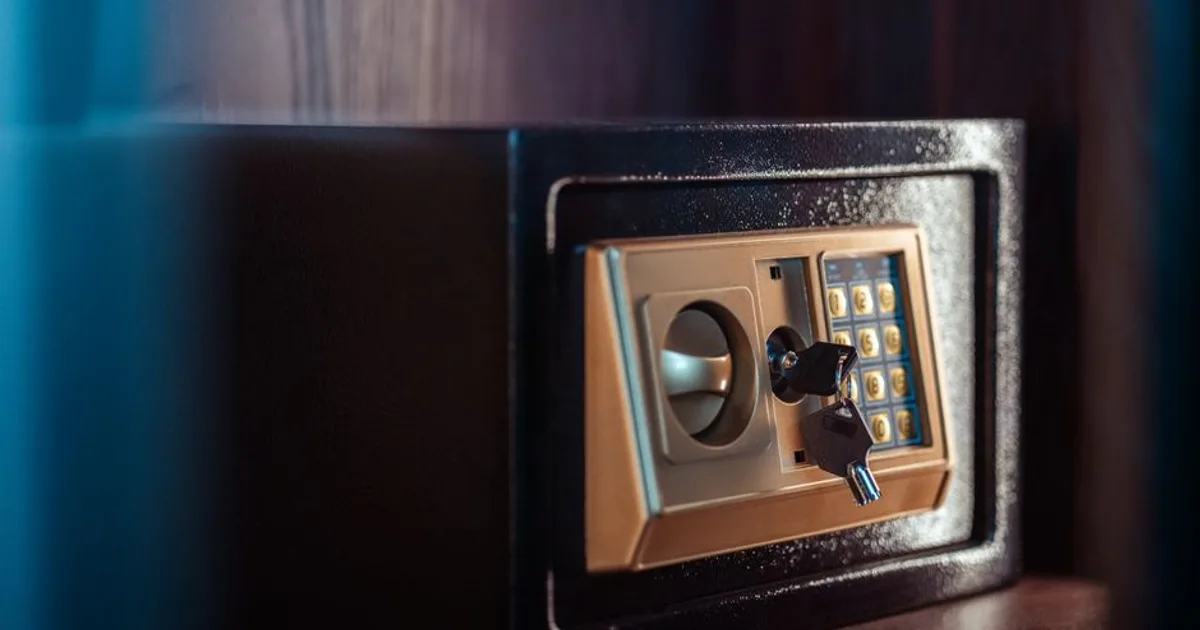
Accommodation safes are worth using. Not because your hotel room is likely to be burgled, but because the habit of securing your passport, backup cards, and bulk cash means that a theft that does happen — of the bag you took out — doesn't become a catastrophic loss of everything simultaneously.
Reading situations
The skill that experienced solo travellers develop is the ability to distinguish between situations that are genuinely risky and situations that are merely unfamiliar. An unfamiliar neighbourhood that is busy with local activity — street food vendors, families, people going about business — is not dangerous because it doesn't look like a tourist area. A quiet area where the few people present are paying specific attention to you requires more thought.
Trust discomfort. If a situation feels wrong — an interaction that's too persistent, a stranger who attaches themselves too readily, a vehicle or route that doesn't match what you asked for — act on that feeling without worrying about seeming rude. Being rude to someone with bad intentions costs nothing. Ignoring a genuine instinct costs potentially much more. Most experienced travellers have stories of situations they left on instinct that turned out to be correct.
Don't broadcast your solo status more than necessary. "I'm here with friends, they're meeting me later" is not dishonest in a way that matters — it's reasonable risk management when a stranger is asking intrusive questions about your arrangements.
Nights out and social situations
Alcohol impairs the judgement that solo travel requires more of than group travel. This isn't a temperance argument — it's a practical observation that solo travellers making decisions after significant drinking are more likely to make decisions they wouldn't make sober: getting into an unmarked cab, walking back alone through an unfamiliar area at 2am, leaving a drink unattended in a bar.
Hostels, organised tours, and communal social settings — including the kind of weekend getaway where hostels and day tours are common — are where solo travellers meet people to socialise with. Doing things with people you've just met reduces the solo vulnerability in social situations. The people you meet in a hostel common room or on a day tour are usually exactly what they appear to be — other travellers — and sharing an evening with them is both socially pleasurable and practically safer than being alone in unfamiliar bars.
Don't leave drinks unattended. This applies everywhere, not just in destinations with particular reputations.
Medical situations
Know your blood type and any significant medical history. Know how healthcare access works in your destination — whether your insurance gives you direct access to hospitals, whether you need a police report for insurance purposes if something is stolen, what the emergency number is (not 911 everywhere).
A basic travel medical kit — enough for minor situations that don't require a doctor — is worth carrying: rehydration sachets, pain relief, antihistamine, plasters, any prescription medication you take with a supply sufficient for the full trip plus a few days extra. Packing it in a carry-on keeps essentials accessible if checked luggage is delayed. Running out of prescription medication in a country where it requires a local prescription is a preventable problem.
The context that matters
The majority of solo travel, the majority of the time, is completely uneventful from a safety perspective. The habits above are insurance against the minority of situations, not preparation for constant threat. They become automatic quickly and stop feeling like caution — they're just how you travel.
The travellers who have the worst experiences are rarely unlucky. They're usually unprepared — no one knows their plans, they have no copies of documents, they didn't research destination-specific risks, and they're making decisions in conditions of information poverty. Preparation is what converts solo travel from a risk into an experience, which is what it is for most people most of the time.


